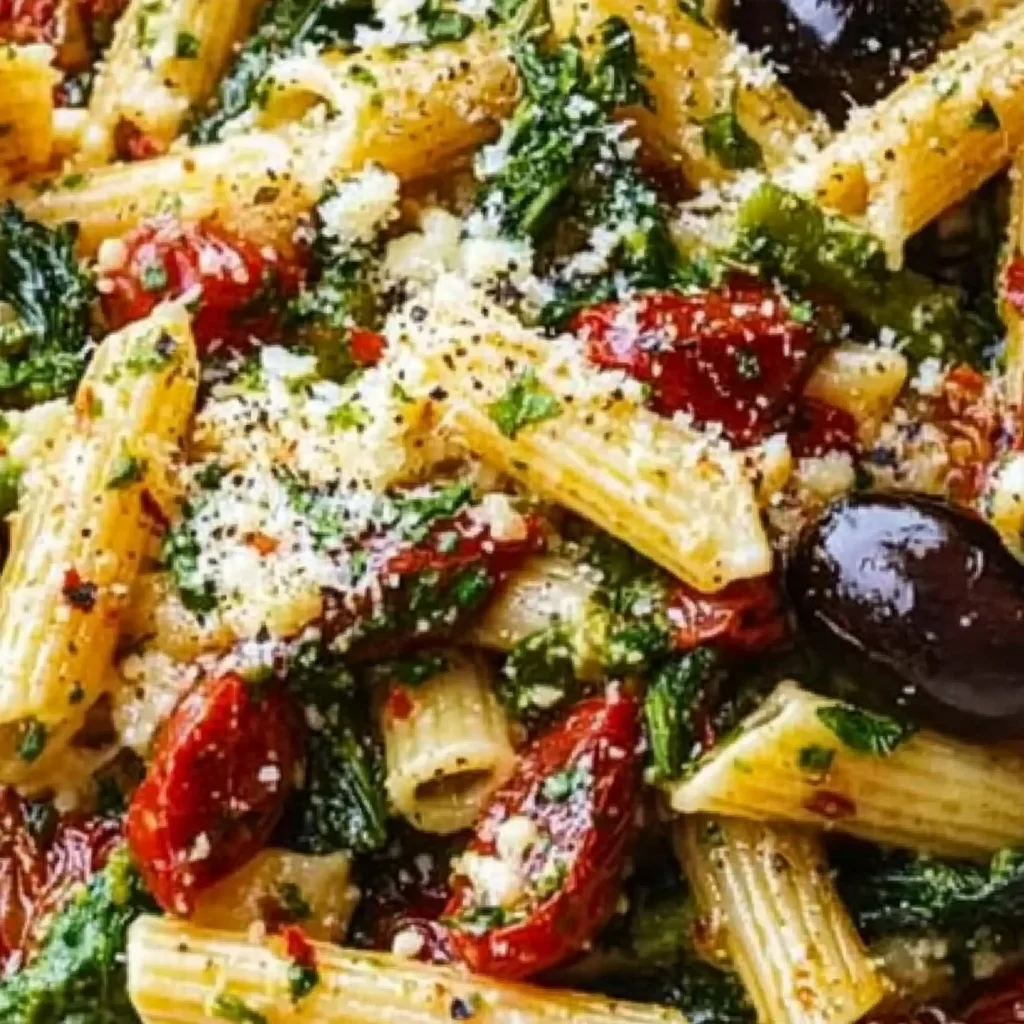
Mediterranean Pasta Recipe
Introduction
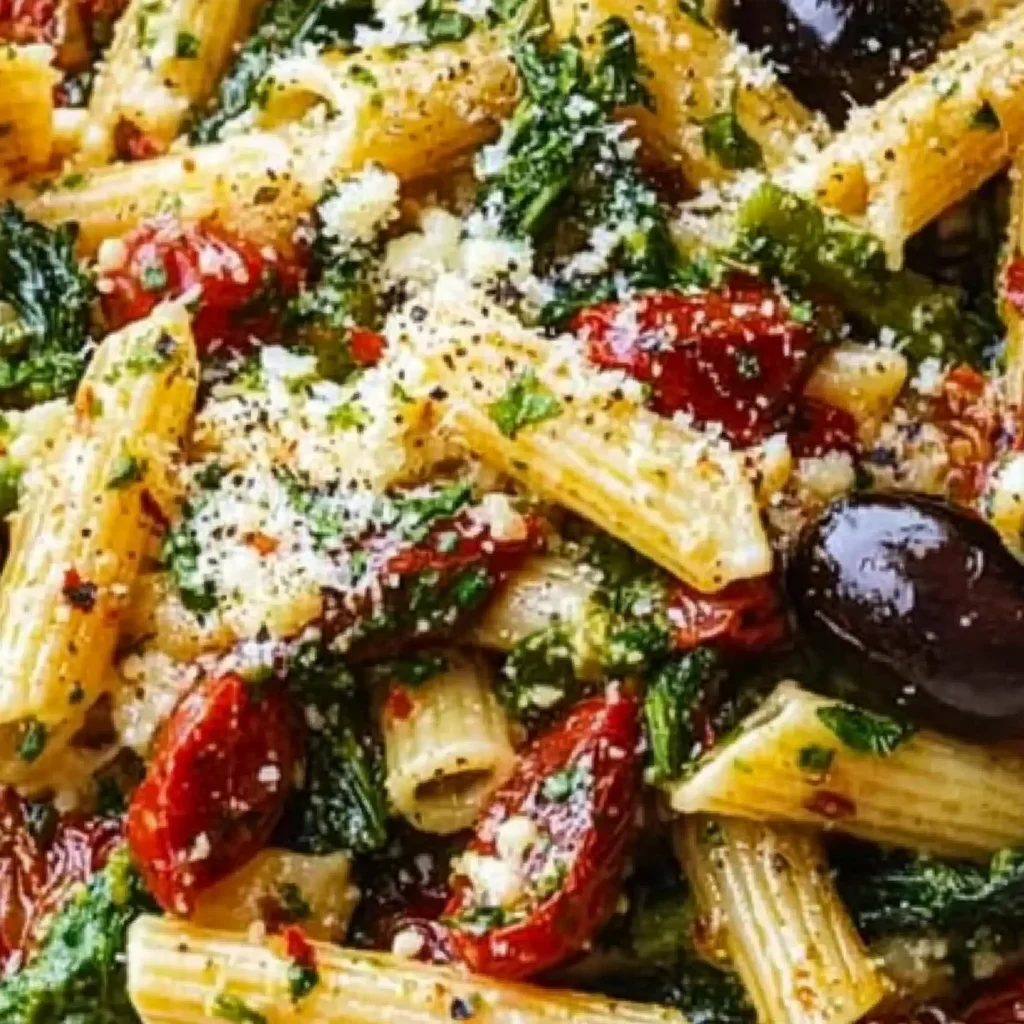
Bright, fresh, and bursting with flavor, this Mediterranean Pasta is your ticket to a satisfying meal that feels like a vacation on a plate. I’ve perfected this recipe over countless summer evenings, finding the ideal balance of tangy feta, briny olives, and crisp vegetables. It’s a no-cook sauce wonder that comes together in about the time it takes to boil your pasta, making it a reliable staple for effortless entertaining or a quick family dinner.
Ingredients
The magic of this dish lies in the quality of its fresh components. Using ripe cherry tomatoes, a good extra virgin olive oil, and fresh herbs makes a noticeable difference in the final flavor profile.
- 1 lb pasta (penne, rotini, or farfalle)
- 1 cup cherry tomatoes, halved
- 1 cup diced cucumbers
- 1/2 cup kalamata olives, halved and pitted
- 1/4 cup thinly sliced red onion
- 3/4 cup crumbled feta cheese
- 2 tbsp chopped fresh parsley
- 2 tbsp torn fresh basil
- 1/3 cup extra virgin olive oil
- 2 tbsp red wine vinegar or lemon juice
- 1 garlic clove, minced
- 1/2 tsp salt
- 1/4 tsp black pepper
Timing
| Prep Time | 15 minutes |
| Cook Time | 10-12 minutes |
| Total Time | ~25 minutes |
Context: This recipe is about 30% faster than traditional baked pasta dishes, as the vibrant “sauce” requires no cooking. The entire process aligns perfectly with boiling your pasta, making it an ideal weeknight solution. You can also prep the vegetable and cheese mixture ahead of time for an even quicker assembly.
Step-by-Step Instructions
Step 1 — Cook the Pasta
Bring a large pot of generously salted water to a rolling boil. Add your chosen pasta shape and cook according to package directions until al dente, which typically takes 10-12 minutes. Unlike boiling vegetables, cooking pasta in well-salted water is crucial for seasoning it from the inside out.
Step 2 — Prepare the Vegetables and Herbs
While the pasta cooks, prepare your fresh ingredients. Halve the cherry tomatoes, dice the cucumber, thinly slice the red onion, and halve the pitted kalamata olives. Chop the parsley and tear the basil leaves. Having everything prepped and ready makes assembly a breeze.
Step 3 — Make the Simple Vinaigrette
In a small bowl or jar, whisk together the extra virgin olive oil, red wine vinegar (or lemon juice), minced garlic, salt, and black pepper. In my tests, I’ve found that letting this vinaigrette sit for a few minutes allows the garlic flavor to mellow and infuse the oil beautifully.
Step 4 — Drain and Cool the Pasta
Once the pasta is al dente, drain it in a colander. For the best texture, give it a quick rinse under cool water to stop the cooking process and cool it slightly. (Pro tip: This prevents the feta cheese from melting completely when mixed in, keeping its delightful crumbly texture.)
Step 5 — Combine All Components
Transfer the cooled pasta to a large serving bowl. Add the prepared tomatoes, cucumber, red onion, olives, and most of the crumbled feta and fresh herbs (reserve a little of each for garnish). This method of combining everything at once ensures every bite is evenly coated and flavorful.
Step 6 — Dress and Toss
Pour the prepared vinaigrette over the pasta and vegetable mixture. Using tongs or two large spoons, toss everything together gently but thoroughly until the pasta is evenly coated and the ingredients are well distributed.
Step 7 — Garnish and Serve
Finish the dish by sprinkling the reserved feta cheese and fresh herbs over the top. For optimal flavor, let the pasta salad sit for 5-10 minutes before serving to allow the flavors to meld. This dish is fantastic served slightly warm, at room temperature, or chilled.
Nutritional Information
| Calories | ~420 |
| Protein | 14g |
| Carbohydrates | 55g |
| Fat | 17g |
| Fiber | 4g |
| Sodium | 580mg |
This Mediterranean pasta dish is a good source of Vitamin C from the fresh vegetables and provides a balanced mix of complex carbs and healthy fats. Note: Estimates are based on typical ingredients and a 1.5-cup serving size. Values may vary with specific brands or modifications.
Healthier Alternatives
- Whole Wheat or Legume Pasta — Boosts fiber and protein content for a more filling meal.
- Chickpeas or Grilled Chicken — Adds extra plant-based or lean protein to make this pasta a complete main course.
- Reduced-Feta or Vegan Feta — Lowers saturated fat and calories while maintaining the tangy, salty profile.
- Low-Sodium Olives & Feta — A simple swap to manage sodium intake without sacrificing the classic briny flavor.
- Zucchini Noodles (Zoodles) — Replace half the pasta for a lower-carb, veggie-packed version.
- Avocado Oil or Lemon Juice — Use in place of some olive oil for a different healthy fat profile or brighter acidity.
Serving Suggestions
- Pair with grilled shrimp or lemon-herb chicken for a protein boost.
- Serve alongside a simple arugula salad with a lemon vinaigrette for a complete Mediterranean spread.
- Perfect for picnics and potlucks, as it travels well and tastes great at room temperature.
- Drizzle with a final swirl of high-quality extra virgin olive oil and a crack of black pepper just before serving.
- Complement the meal with a crisp, chilled white wine like Sauvignon Blanc or a sparkling water with lemon.
- For a beautiful presentation, serve in a shallow bowl and garnish with a whole basil sprig.
This versatile dish shines in summer but can be adapted year-round. It’s also an excellent candidate for weekly meal prep—just store the dressing separately until ready to eat.
Common Mistakes to Avoid
- Mistake: Overcooking the pasta into mush. Fix: Always cook to al dente, as specified in Step 1, since it will soften slightly when tossed with the dressing.
- Mistake: Adding the vinaigrette to hot pasta, which melts the feta. Fix: Follow Step 4 and cool the pasta first to keep the cheese crumbly.
- Mistake: Using pre-crumbled feta stored in plastic. Fix: Opt for a block of feta in brine and crumble it yourself for superior flavor and texture.
- Mistake: Skipping the salting of the pasta water. Fix: Salt the boiling water generously—it’s your primary chance to season the pasta itself.
- Mistake: Chopping vegetables too large, making bites uneven. Fix: Dice consistently, as directed in Step 2, so each forkful gets a bit of everything.
- Mistake: Not letting the dressed pasta rest before serving. Fix: Allow it to sit for 5-10 minutes after Step 7 so the flavors fully meld.
Storing Tips
- Fridge: Store in an airtight container for up to 5 days. For best quality, add delicate fresh herbs when serving.
- Freezer: Freezing is not recommended for this fresh pasta salad, as the vegetables and dairy will become watery and lose texture upon thawing.
- Reheat: Enjoy cold or at room temperature. If you prefer it warm, gently reheat single portions in a microwave for 60-90 seconds, stirring halfway, to avoid overheating the veggies.
For optimal food safety, ensure your pasta salad is refrigerated within 2 hours of preparation. When meal prepping, I’ve found storing the dressing separately and tossing it in just before eating keeps the texture perfect for up to 6 days.
Conclusion
This vibrant Mediterranean Pasta is the ultimate proof that a spectacular meal doesn’t require hours in the kitchen. Its fresh, no-cook sauce delivers a bright flavor that’s perfect for any occasion. For another quick and flavorful pasta dish, try this Greek Spaghetti Recipe. Give this recipe a try and share your creation in the comments below!
Frequently Asked Questions
How many servings does this Mediterranean Pasta recipe make?
This recipe yields about 6 generous side-dish servings or 4 main-course portions. The nutritional information provided is based on a 1.5-cup serving size. For a larger crowd, you can easily double all ingredients using the same simple method.
What can I use if I don’t have red wine vinegar?
Fresh lemon juice is the best substitute, adding a bright, clean acidity. White wine vinegar or a good-quality balsamic vinegar (which will darken the dish slightly) also work well. I’ve tested all three, and lemon juice often provides the most authentic Mediterranean flavor profile.
Why did my pasta salad become watery after storing it?
This happens because the salt in the dressing draws moisture out of the fresh vegetables over time. To prevent it, store the dressing separately and toss it with the pasta and veggies just before serving, as suggested in the Storing Tips section. If pre-mixed, draining any accumulated liquid from the container before serving can help restore the texture.
PrintMediterranean Pasta
Ingredients
- 1 lb pasta (penne, rotini, or farfalle)
- 1 cup cherry tomatoes, halved
- 1 cup diced cucumbers
- 1/2 cup kalamata olives, halved and pitted
- 1/4 cup thinly sliced red onion
- 3/4 cup crumbled feta cheese
- 2 tbsp chopped fresh parsley
- 2 tbsp torn fresh basil
- 1/3 cup extra virgin olive oil
- 2 tbsp red wine vinegar or lemon juice
- 1 garlic clove, minced
- 1/2 tsp salt
- 1/4 tsp black pepper
Instructions
- Bring a large pot of salted water to a boil. Cook the pasta until al dente, then drain and rinse with cold water.
- While pasta cooks, prepare vegetables: halve cherry tomatoes, dice cucumbers, slice onions, and halve olives.
- In a small bowl, whisk together olive oil, vinegar or lemon juice, minced garlic, salt, and pepper.
- In a large bowl, combine pasta, vegetables, and dressing. Toss well to coat.
- Add feta, parsley, and basil. Gently mix to combine without breaking the cheese too much.
- Refrigerate for at least 30 minutes before serving to let flavors meld.
You Might Also Like
- Ground Beef and Rice Casserole | Easy Dinner Idea Recipe
- Sheet Pan Greek Chicken and Veggies Easy Recipe
- Spiced Salmon with Cheesy Asparagus & Garlic Herb Potatoes Recipe
- Texas Roadhouse Butter Chicken Skillet Recipe
Get our 10 best recipes — free
Join the Hurry Up Meals newsletter and we’ll email you our 10 most-loved recipes as a free PDF.
Free PDF + new recipes every week. Unsubscribe anytime.