Ultimate Pineapple Upside-Down Cake Ready in 30 Minutes
Introduction
There’s something magical about the first bite of Pineapple Upside-Down Cake—the caramelized pineapple rings, the buttery brown sugar glaze, and the tender cake beneath. It’s a dessert that feels like a warm hug, evoking nostalgia while still surprising your taste buds. Whether you’re baking for a special occasion or just craving a sweet treat, this classic recipe delivers every time. Plus, it’s easier to make than you might think, so even if you’re new to baking, you’ll impress everyone at the table.
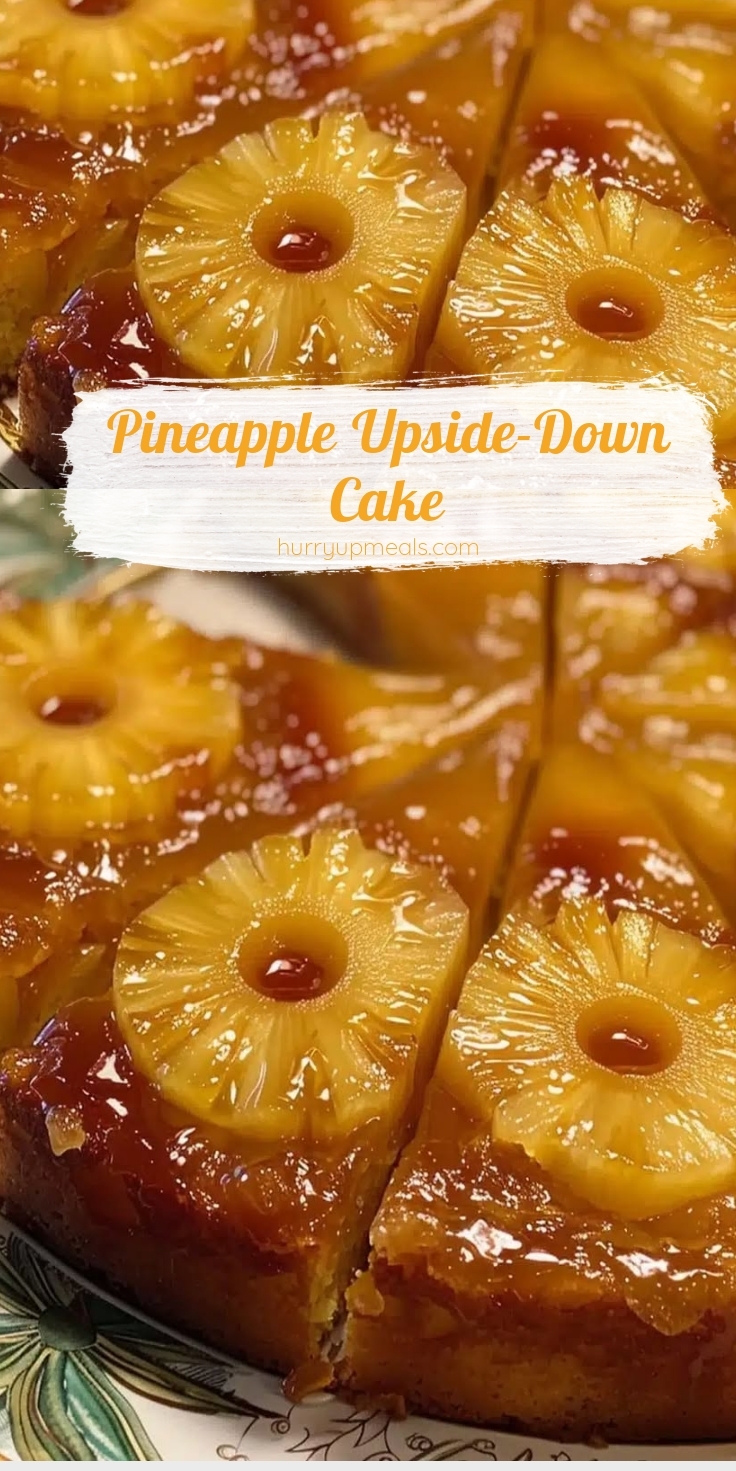
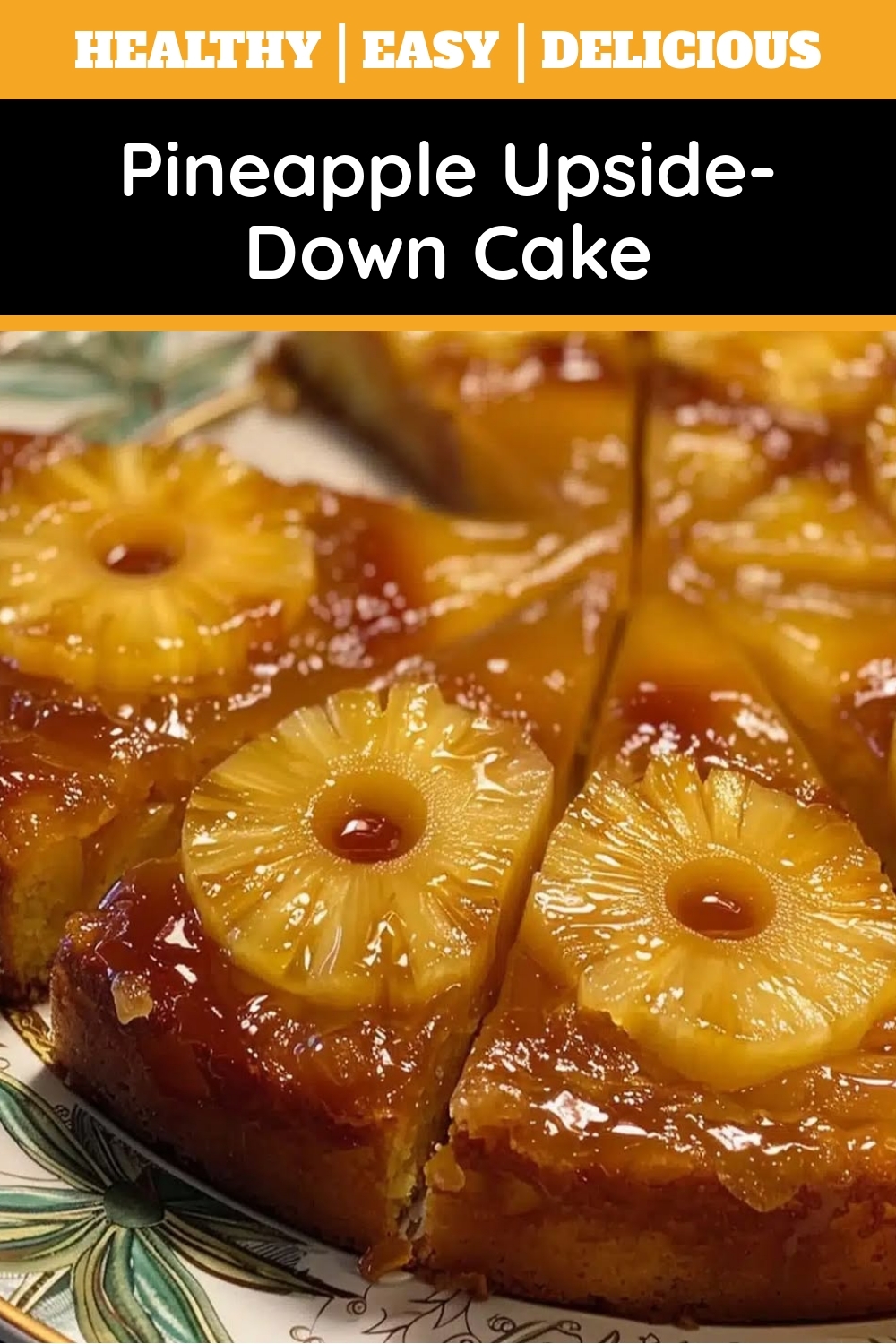
Pineapple Upside-Down Cake is a retro dessert that never goes out of style. Unlike other cakes, it bakes upside down, so when you flip it onto a plate, the golden pineapple and cherries create a stunning, glossy top. What makes it truly special is the contrast of textures—the juicy fruit against the soft, fluffy cake. Because it’s both visually striking and delicious, it’s perfect for potlucks, holidays, or even a cozy weeknight dessert. If you love vintage-inspired recipes like our Classic Banana Bread, you’ll adore this one too.
This recipe fits perfectly with our blog’s theme of approachable, crowd-pleasing dishes. While some desserts require fancy techniques, Pineapple Upside-Down Cake keeps things simple without sacrificing flavor. It’s also a great way to use pantry staples, much like our Homemade Chocolate Chip Cookies. Whether you’re a seasoned baker or just starting out, this cake promises a rewarding (and delicious) experience.
Why I Love This Recipe
Pineapple Upside-Down Cake holds a special place in my heart because it reminds me of my grandmother’s kitchen. She used to make it for family gatherings, and the smell of caramelizing sugar would fill the whole house. Even now, every time I bake it, I’m transported back to those moments. What I love most is how it brings people together—there’s always excitement when it’s time to flip the cake and reveal that beautiful topping. It’s a dessert that feels like celebration in every bite.
Health and Nutrition
Why it’s good for your body
Pineapple Upside-Down Cake offers more than just delicious flavor because it packs nutrients from its key ingredients. Although it’s a dessert, the pineapple provides vitamin C, which supports your immune system, while the fruit’s natural sweetness reduces the need for excessive added sugar. Even though the cake contains butter and flour, the pineapple adds fiber, aiding digestion so you feel satisfied longer.
The cherries often used in Pineapple Upside-Down Cake contribute antioxidants, which help combat inflammation. Because pineapple contains bromelain, an enzyme that aids digestion, this dessert can be slightly gentler on your stomach than other cakes. Although moderation is key, enjoying a slice means you’re treating yourself to a dessert with some nutritional perks.
Pineapple Upside-Down Cake also delivers manganese, a mineral found in pineapple that supports bone health and metabolism. So, while it’s still a treat, it’s a smarter choice compared to desserts with fewer natural ingredients. Plus, the caramelized fruit topping adds flavor without relying solely on processed sugars.
How it fits in a healthy lifestyle
Pineapple Upside-Down Cake can fit into a balanced diet when enjoyed mindfully. Because it contains fruit, it’s a dessert you can pair with a protein-rich meal to balance blood sugar. If you’re gluten-free, try using almond or coconut flour for a version that aligns with your dietary needs.
For those watching sugar intake, reducing the brown sugar in the topping or using natural sweeteners like honey can make Pineapple Upside-Down Cake more diet-friendly. Even though it’s a dessert, portion control lets you indulge without derailing your goals. Pair it with a cup of herbal tea for a satisfying yet light treat.
Looking for healthier dessert ideas? Check out our healthy dessert recipes for more inspiration. If you’re curious about balancing treats with nutrition, our guide on eating well without giving up treats offers practical tips. Pineapple Upside-Down Cake proves that desserts can be both tasty and somewhat nutritious when prepared thoughtfully.
PrintPineapple Upside-Down Cake
A classic dessert featuring caramelized pineapple and cherries atop a moist vanilla cake.
Ingredients
For the Crust:
- 1/4 cup unsalted butter
- 3/4 cup brown sugar
- 1 can pineapple slices (20 oz), drained
- Maraschino cherries (for garnish)
- 1 1/2 cups all-purpose flour
- 1 1/2 tsp baking powder
- 1/4 tsp salt
- 1/2 cup unsalted butter, softened
- 3/4 cup granulated sugar
- 2 large eggs
- 1 tsp vanilla extract
- 1/2 cup whole milk
Instructions
1. Prepare the Crust:
- Preheat oven to 350°F (175°C). Melt 1/4 cup butter in a 9-inch round cake pan. Sprinkle brown sugar evenly over melted butter.
- Arrange pineapple slices on top of sugar mixture. Place cherries in the center of each pineapple ring and in gaps.
- In a bowl, whisk flour, baking powder, and salt. In another bowl, beat softened butter and granulated sugar until fluffy.
- Add eggs one at a time to butter mixture, then stir in vanilla. Alternate adding flour mixture and milk, mixing just until combined.
- Pour batter over pineapple layer and smooth top. Bake for 30-35 minutes until golden and a toothpick comes out clean.
- Cool cake in pan for 5 minutes, then invert onto serving plate. Serve warm or at room temperature.
Notes
You can customize the seasonings to taste.

How to Prepare This Dish
Steps and time-saving tips
First, preheat your oven to 350°F and generously grease a 9-inch round cake pan. Meanwhile, melt butter in a small saucepan and drizzle it evenly over the bottom of the pan. Next, sprinkle brown sugar over the butter, then arrange pineapple rings in a single layer. For a festive touch, place maraschino cherries in the center of each ring. In a large bowl, whisk together flour, baking powder, and salt. In another bowl, beat softened butter and granulated sugar until fluffy, then mix in eggs one at a time. Gradually fold in the dry ingredients, alternating with milk, until the batter becomes smooth. Carefully spread the batter over the pineapple layer, ensuring it covers evenly. Bake for 40-45 minutes or until a toothpick comes out clean. Let the cake cool for 10 minutes before inverting it onto a serving plate. For best results, serve warm with a scoop of vanilla ice cream. To save time, use canned pineapple rings and pre-measure your dry ingredients the night before. If you’re short on time, try my quick dessert recipes for more effortless treats.
Mistakes I’ve made and learned from
When I first made Pineapple Upside-Down Cake, I rushed the cooling process and flipped it too soon. The cake stuck to the pan, leaving half the topping behind. Now, I always wait at least 10 minutes and gently loosen the edges with a knife first. Another mistake? Overmixing the batter, which made the cake dense instead of light. I learned to fold ingredients just until combined, and the texture improved dramatically. If you’re new to baking, don’t skip the baking tips for beginners—they’ll save you from repeating my errors. Trust me, patience and gentle handling make all the difference!

Cultural Connection and Variations
Where this recipe comes from
Pineapple Upside-Down Cake carries a nostalgic charm that transports many of us straight back to grandma’s kitchen. While its exact origins are debated, most food historians trace its roots to early 20th-century America, when canned pineapple became widely available. Home cooks loved how the sweet, caramelized fruit paired with a buttery cake base, creating a dessert that felt both indulgent and effortless. In the South, it became a staple at church potlucks and family gatherings, often baked in cast-iron skillets for an extra crispy edge.
Across the globe, variations of Pineapple Upside-Down Cake reflect local flavors. In the Caribbean, cooks might add rum-soaked cherries or coconut to the batter, while in Hawaii, fresh pineapple replaces canned for a brighter taste. Some families even pass down secret tweaks, like a dash of cinnamon or a layer of brown sugar for deeper caramelization. No matter the version, this cake has a way of bringing people together, whether it’s served at a summer barbecue or a cozy winter holiday. If you’re curious about other retro desserts with a twist, our classic desserts with a modern twist roundup dives into more timeless treats.
How it fits in today’s cooking
Even today, Pineapple Upside-Down Cake holds its own in modern kitchens. Busy home chefs appreciate its simplicity, especially when using pantry staples like canned pineapple and boxed cake mix for a quick yet impressive dessert. Meanwhile, food bloggers and bakers are reinventing it with gluten-free flours, vegan butter, or even grilling the cake for a smoky twist. Its versatility makes it perfect for holidays—think Fourth of July picnics or Christmas dinners—but it’s just as welcome on a random Tuesday.
What keeps this cake relevant is its adaptability. Some cooks layer in mango or peaches for a tropical spin, while others drizzle it with salted caramel for a contemporary touch. For those looking to pair it with other easy, crowd-pleasing dishes, our quick potluck recipes collection offers plenty of inspiration. Whether you stick to tradition or experiment, Pineapple Upside-Down Cake remains a beloved classic that bridges generations.
Taste and Texture
What makes it delicious
Pineapple Upside-Down Cake is a symphony of sweet and buttery flavors with a texture that delights from the first bite. The caramelized pineapple rings on top become sticky and tender, soaking up the rich brown sugar glaze while adding a juicy, tropical brightness. Each forkful combines the cake’s moist, airy crumb with the slight chew of maraschino cherries and the crisp edges of toasted pecans. The warm vanilla and brown sugar aroma fills the kitchen, making it irresistible even before the first slice is served. Because the fruit bakes beneath the batter, the pineapple’s natural tartness mellows into a luscious sweetness that balances the buttery cake perfectly. When you flip the pan, the golden caramel drizzle cascades down the sides, creating a glossy finish that’s as beautiful as it is delicious. For an extra layer of flavor, try adding a pinch of cinnamon to the batter or swapping traditional pineapple for grilled rings, as suggested in our grilled pineapple dessert guide.
Boosting the flavor
While Pineapple Upside-Down Cake is already a crowd-pleaser, small tweaks can elevate it even further. For a deeper caramel note, use dark brown sugar instead of light, or infuse the glaze with a splash of rum or vanilla extract. Toasted coconut flakes sprinkled over the top add a nutty crunch, while a drizzle of homemade caramel sauce enhances the gooey texture. If you love spice, fold a teaspoon of cinnamon or ginger into the batter for warmth, or top slices with a dollop of whipped cream flavored with citrus zest. For a tangy contrast, serve the cake with a side of vanilla ice cream or a dusting of powdered sugar. No matter how you customize it, Pineapple Upside-Down Cake remains a timeless treat that’s as fun to make as it is to eat.
Tips for Success
Best practices for results
For the perfect Pineapple Upside-Down Cake, always use fresh pineapple because canned pineapple can release too much liquid and make the cake soggy. Grease the pan thoroughly with butter to prevent sticking, and arrange the pineapple rings evenly so each slice looks beautiful. Preheat your oven before baking to ensure even cooking, and check for doneness by inserting a toothpick into the center—if it comes out clean, your cake is ready. For extra flavor, brush the pineapple with a light glaze before adding the batter, as this enhances caramelization. If you love baking, explore our essential baking tools to make the process even smoother.
Mistakes to avoid
Avoid overmixing the batter, as this can make your Pineapple Upside-Down Cake dense instead of light and fluffy. Another common mistake is flipping the cake too soon after baking—wait at least 10 minutes so the caramel sets properly. Skipping the parchment paper lining can also cause issues, especially if the fruit sticks to the pan. Additionally, using too much brown sugar in the topping may lead to excessive sweetness, so measure carefully. For more troubleshooting tips, check out our guide to common baking mistakes to ensure your dessert turns out flawless every time.
Serving and Pairing Suggestions
How to serve this dish
Pineapple Upside-Down Cake shines when served warm, allowing the caramelized pineapple topping to glisten. For a stunning presentation, place each slice on a dessert plate with a dollop of whipped cream or a scoop of vanilla ice cream. Meanwhile, a sprinkle of toasted coconut or fresh mint leaves adds a pop of color and texture. If you’re hosting a summer barbecue or holiday gathering, this cake makes a showstopping centerpiece. Alternatively, slice it into smaller portions for brunch or afternoon tea. No matter the occasion, Pineapple Upside-Down Cake always delights with its golden hues and tropical flair.
What goes well with it
A cup of freshly brewed coffee or a tropical iced tea perfectly balances the sweetness of Pineapple Upside-Down Cake. The bold flavors of coffee cut through the richness, while iced tea enhances its fruity notes. For a creamy contrast, try pairing it with a scoop of coconut sorbet or a drizzle of caramel sauce. If you’re serving it as part of a larger spread, consider adding a light fruit salad or our easy summer desserts to round out the meal. For an extra indulgent twist, a side of homemade whipped cream elevates every bite with its fluffy texture and subtle sweetness.
A soggy Pineapple Upside-Down Cake usually results from excess liquid. Ensure you drain pineapple rings thoroughly and pat them dry. Also, avoid over-pouring the syrup—just a light glaze is enough for this classic dessert.
Yes, fresh pineapple works but requires extra prep. Cook it briefly to soften and reduce acidity, as raw pineapple can make Pineapple Upside-Down Cake bitter. Canned pineapple is often preferred for consistent sweetness and texture.
Generously butter the pan and add a brown sugar layer before arranging fruit. Let the Pineapple Upside-Down Cake cool for 10 minutes before inverting—this helps the caramelized topping release cleanly.
This retro dessert became popular in the 1920s when canned pineapple was widely available. The “upside-down” method dates back further, but Pineapple Upside-Down Cake became iconic through early 20th-century marketing campaigns.