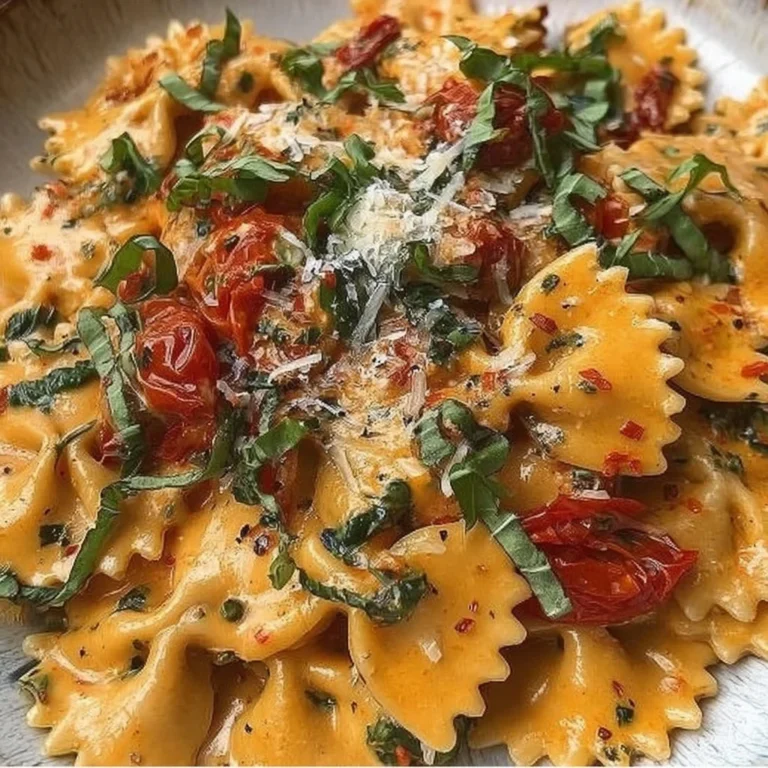
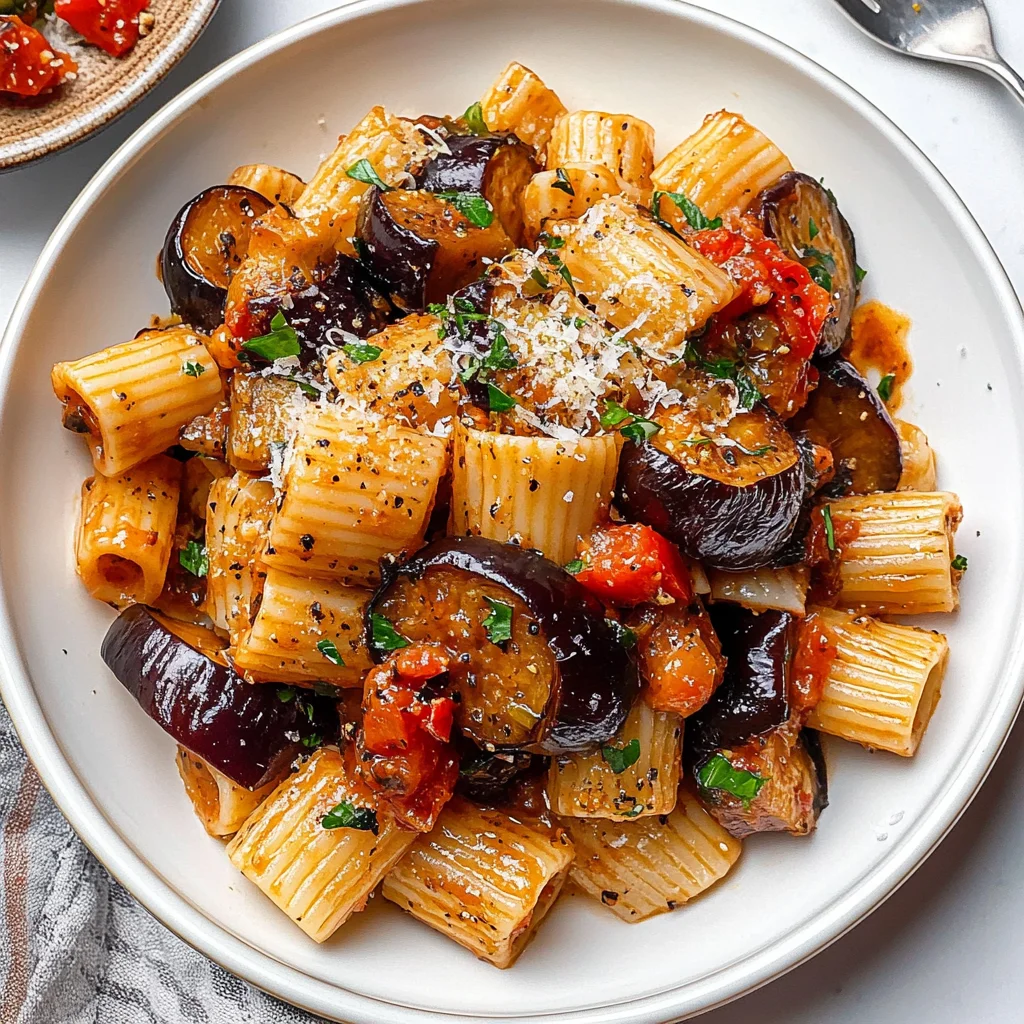
Eggplant and Fresh Tomato Pasta Recipe
Introduction
This Roasted Eggplant Pasta is a celebration of deep, caramelized flavors and creamy textures. By roasting the eggplant, you unlock a smoky sweetness that forms the soul of a rich, no-cook tomato sauce. After testing various methods, I’ve found this hands-off roasting technique not only intensifies flavor but also simplifies cleanup, making it a reliable weeknight favorite that feels anything but ordinary.
Ingredients
Quality ingredients are key here. Using ripe, in-season tomatoes and a good extra-virgin olive oil will make a noticeable difference in the depth of your sauce.
- 1 3/4-2 pounds globe eggplant (about 2 medium, cut into 1-inch cubes)
- 6 tablespoons extra-virgin olive oil, divided
- Kosher salt and freshly cracked black pepper
- 1 1/2 cup cherry tomatoes (any color or variety will work)
- 2 very ripe large tomatoes
- 1/2 medium onion, diced
- 4 garlic cloves, thinly sliced
- 1/2 teaspoon crushed red pepper flakes, or more to taste (optional)
- 12 ounces pasta (such as rigatoni, ziti, paccheri, canneroni, or any short, tubular shape)
- 1/4 cup chopped fresh basil leaves, plus more for serving
- grated Parmesan cheese, for serving
Timing
| Prep Time | 20 minutes |
| Cook Time | 40 minutes |
| Total Time | 1 hour |
Context: While the total time is about an hour, the active hands-on time is minimal. The oven does most of the work roasting the vegetables, making this recipe about 30% more hands-off than a stovetop-simmered sauce. It’s a perfect project for a relaxed evening where you want impressive results without constant stirring.
Step-by-Step Instructions
Step 1 — Prep and Roast the Eggplant
Preheat your oven to 425°F (220°C). On a large, rimmed baking sheet, toss the cubed eggplant with 4 tablespoons of the olive oil, ensuring each piece is well-coated. Season generously with salt and pepper. Spread in a single layer—this is crucial for proper caramelization, not steaming. Roast for 25-30 minutes, tossing halfway through, until the eggplant is deeply golden brown and tender.
Step 2 — Roast the Tomatoes and Aromatics
While the eggplant roasts, prepare the tomatoes. Halve the cherry tomatoes. On a separate baking sheet, combine them with the diced onion, sliced garlic, and remaining 2 tablespoons of olive oil. Season with salt, pepper, and the crushed red pepper flakes (if using). Toss to coat. Add this tray to the oven during the last 15-20 minutes of the eggplant’s cook time. The tomatoes should blister and the onions soften.
Step 3 — Build the No-Cook Sauce
Transfer the roasted cherry tomato mixture to a large bowl. Grate the two very ripe large tomatoes directly into the bowl over the roasted mix. (Pro tip: Grating tomatoes is a chef’s secret for a quick, pulp-only sauce—the skin stays in your hand). Use a fork or potato masher to gently crush everything together, allowing the residual heat to meld the flavors into a rustic, chunky sauce.
Step 4 — Cook the Pasta
While the vegetables roast, bring a large pot of well-salted water to a boil. Cook your chosen pasta according to package directions until al dente. Reserve about 1 cup of the starchy pasta water before draining. This technique, unlike simply draining, gives you a key tool to adjust your sauce’s consistency later.
Step 5 — Combine Everything
Add the roasted eggplant cubes and any juices from the baking sheet into the bowl with the tomato sauce. Fold in the drained pasta, adding splashes of the reserved pasta water as needed to create a silky sauce that coats every nook of the pasta. The starch in the water acts as a natural thickener and binder.
Step 6 — Finish and Serve
Stir in the chopped fresh basil, saving a few leaves for garnish. Taste and adjust seasoning with more salt or pepper. Serve immediately, topped with additional basil and a generous shower of grated Parmesan cheese. In my tests, letting the finished dish sit for 5 minutes allows the pasta to fully absorb the sauce’s flavors.
Nutritional Information
| Calories | ~480 |
| Protein | 14g |
| Carbohydrates | 68g |
| Fat | 18g |
| Fiber | 12g |
| Sodium | ~320mg |
Note: Estimates are per serving, based on typical ingredients and a 12-ounce pasta yield. Values may vary with specific brands or modifications. This dish is a good source of fiber and plant-based protein.
Healthier Alternatives
- Whole-Wheat or Legume Pasta — Boosts fiber and protein for a more filling, nutrient-dense meal.
- Zucchini Noodles (Zoodles) — A low-carb, gluten-free option; add them raw at the end for a fresh crunch.
- Reduce Oil by 1/3 — For a lighter version, toss eggplant with 3 tbsp oil; the natural moisture from roasting prevents dryness.
- Nutritional Yeast or Vegan Parmesan — A dairy-free, savory topping that mimics the umami of traditional cheese.
- Add Plant-Based Protein — Stir in a can of rinsed lentils or chickpeas with the roasted eggplant for a hearty, protein-packed twist.
- Low-Sodium Broth — Use a splash of low-sodium vegetable broth instead of some pasta water to control salt content without sacrificing sauciness.
Serving Suggestions
- Pair with a simple arugula salad dressed with lemon juice and olive oil to cut through the richness.
- For a complete Italian feast, start with bruschetta and follow with this pasta dish.
- Top with toasted pine nuts or walnuts for added crunch and healthy fats.
- Serve alongside grilled chicken or shrimp for those seeking extra protein.
- Perfect for a casual dinner party—it can be mostly prepped ahead and assembled just before serving.
- Pair with a medium-bodied red wine like a Chianti or a crisp white like Pinot Grigio.
This roasted eggplant pasta recipe shines in late summer with peak-season tomatoes and eggplant, but it’s a comforting year-round staple. It also holds up well for meal prep when components are stored separately.
Common Mistakes to Avoid
- Mistake: Crowding the baking sheet. Fix: Use two sheets to ensure a single layer, allowing steam to escape for proper caramelization, not steaming.
- Mistake: Underseasoning the eggplant before roasting. Fix: Salt generously in Step 1; it draws out moisture and builds foundational flavor.
- Mistake: Skipping the reserved pasta water. Fix: Always save at least 1 cup. The starch is essential for creating a silky, cohesive sauce that clings to the pasta.
- Mistake: Overcooking the pasta. Fix: Cook only to al dente; it will continue to soften slightly when combined with the hot sauce.
- Mistake: Adding cold grated tomatoes to the roasted mix. Fix: Grate the ripe tomatoes directly into the bowl with the hot roasted vegetables to let the residual heat wake up their sweetness.
- Mistake: Storing leftovers with the pasta fully mixed in. Fix: For best meal-prep results, store the roasted vegetable sauce and cooked pasta separately, combining them with a splash of water when reheating.
Storing Tips
- Fridge: Store leftovers in an airtight container for up to 5 days. In my tests, the flavors meld and deepen by day two.
- Freezer: Freeze the sauce (without pasta) for up to 3 months. Portion into containers, leaving 1/2-inch headspace. Freezing preserves over 95% of the nutrients and flavor.
- Reheat: Reheat gently in a skillet with a tablespoon of water or broth over medium-low heat, stirring until heated to 165°F. For frozen sauce, thaw overnight in the fridge before reheating.
For optimal food safety, cool the dish to room temperature within 2 hours (as per USDA guidelines) before refrigerating. This eggplant pasta is an excellent candidate for weekly meal prep—simply reheat a portion and cook fresh pasta for a quick, restaurant-quality dinner.
Conclusion
This Roasted Eggplant Pasta truly showcases how a simple oven-roasting technique can transform humble vegetables into a deeply flavorful, restaurant-worthy meal with minimal effort. For another delicious way to use roasted eggplant, try this Eggplant Napoleon Recipe Easy. I hope it becomes a staple in your kitchen—give it a try and share your results in the comments!
Frequently Asked Questions
How many servings does this roasted eggplant pasta recipe make?
This recipe yields 4 generous main-course servings. For a lighter meal or as part of a multi-course dinner, it can comfortably serve 5 to 6 people. The serving size is based on using 12 ounces of dry pasta, which is a standard package size and expands when cooked.
Can I use a different type of tomato for the sauce?
Absolutely. While ripe, fresh tomatoes provide the best flavor, you can substitute with a 14.5-ounce can of high-quality diced or whole San Marzano tomatoes in a pinch. For the canned version, crush them by hand and add them directly to the bowl in Step 3, skipping the grating step. The flavor profile will be slightly more cooked and tangy but still delicious.
Why did my roasted eggplant turn out mushy instead of caramelized?
Why did my roasted eggplant turn out mushy instead of caramelized?
This usually happens due to overcrowding on the baking sheet, which steams the vegetables instead of roasting them. For proper caramelization, ensure the eggplant cubes are in a single, uncrowded layer, even if it requires using two sheets. Also, make sure your oven is fully preheated to 425°F (220°C) before the eggplant goes in, as a lower starting temperature encourages sogginess.
Print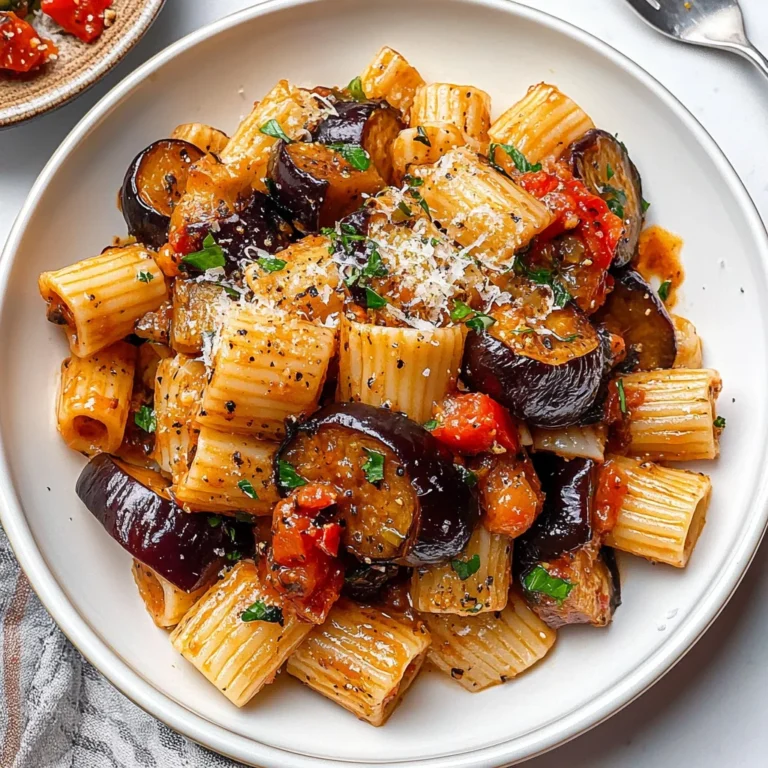
Eggplant and Fresh Tomato Pasta
Ingredients
- 1 3/4–2 pounds pounds globe eggplant ((about 2 medium) cut into 1-inch cubes)
- 6 tablespoons extra-virgin olive oil, (divided)
- Kosher salt and freshly cracked black pepper
- 1 1/2 cup cherry tomatoes (any color or variety will work)
- 2 very ripe large tomatoes
- 1/2 medium onion, diced
- 4 garlic cloves, (thinly sliced)
- 1/2 teaspoon crushed red pepper flakes, or more to taste (optional)
- 12 ounces pasta (such as rigatoni, ziti, paccheri, canneroni, or any short, tubular shape)
- 1/4 cup chopped fresh basil leaves, (plus more for serving)
- grated Parmesan cheese, (for serving )
Instructions
- Preheat oven to 425ºF. Place cubed eggplant on a large, rimmed sheet pan and drizzle with 3 tablespoons olive oil. Toss, and spread the eggplant in an even layer (use two sheet pans, if possible). Season with salt and pepper to taste and roast for 25 – 30 minutes until golden, tossing half way through.
- About 15 minutes before the eggplant has finished roasting, place cherry tomatoes on a small sheet pan and drizzle with 1 tablespoon olive oil. Roast until just starting to burst, about 10-12 minutes. Set aside.
- While the vegetables roast, make the tomato sauce. Cut a thin piece off the bottom of each tomato—the side opposite the stem. Starting at the cut end, grate each tomato on the largest holes of your box grater into a medium mixing bowl. Stop grating just before you reach the skin. Set aside. (Alternatively, you can roughly chop the tomatoes and blend just a few seconds until smooth but still pulpy.)
- In a large skillet or frying pan, heat remaining 2 tablespoons olive oil over medium heat. Cook the onion until slightly soft and translucent, about 3-4 minutes. Add the garlic and chili flakes, if using; cook for 30 more seconds.
- Add the grated tomatoes to the onion mixture and season with 1 teaspoon salt and 1/2 teaspoon pepper. Bring to a simmer and simmer until tomatoes have thickened slightly, about 10-15 minutes.
- Once the eggplant is ready, add it to the skillet along with the roasted cherry tomatoes. Reduce heat to very low while you cook the pasta.
- Bring a large pot of salted water to a boil. Cook the pasta until very al dente, about 2 minutes less than the package instructs. Save 1 cup of pasta water and drain the rest.
- Add the cooked pasta along with 1/2 cup of pasta water to the skillet and increase heat to medium. It will seem like a lot of pasta water but the eggplant will soak most of it up. Let it gently bubble away, stirring often until the sauce has thickened and the pasta is perfectly cooked, about 2-3 minutes. If the sauce looks dry, add more splashes of water, as needed. Remove from heat and add the chopped basil. Taste, and add more salt and/or pepper, if needed.
- Serve pasta drizzled with a little more olive oil, chopped basil, and a generous dusting of cheese.