
Lemon Magic Custard Cake Recipe
Introduction
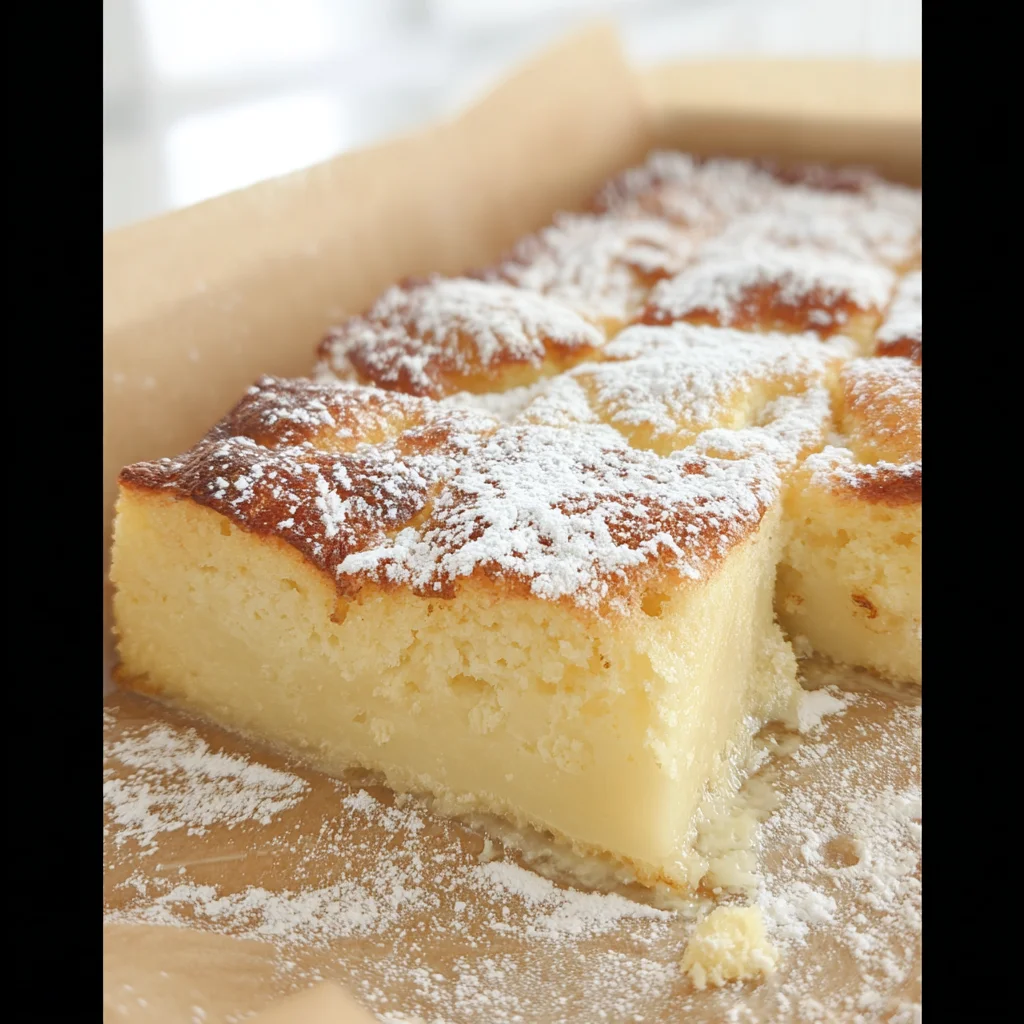
The magic of a Lemon Magic Custard Cake lies in its single batter that bakes into three distinct layers: a light sponge, a creamy custard, and a delicate base. This recipe delivers a stunning dessert with a perfect balance of bright, zesty lemon flavor and rich, comforting texture. After extensive testing, I’ve found that using room-temperature ingredients is the key to achieving the signature separation, resulting in a dessert that’s as impressive as it is delicious.
Ingredients
Quality ingredients are essential for this delicate cake. Fresh lemon juice and zest provide the brightest flavor, while room-temperature eggs and lukewarm milk are non-negotiable for the proper chemical reaction that creates the magical layers.
- 4 eggs, room temperature
- 3/4 cup sugar
- 115g butter, melted
- 1 tablespoon lemon zest
- 1/4 cup lemon juice
- 3/4 cup plain flour (or gluten-free 1:1 blend)
- 2 cups milk, lukewarm
Timing
| Prep Time | 15 minutes |
| Cook Time | 50 minutes |
| Total Time | 1 hour 5 minutes |
Context: This recipe is about 20% faster than many traditional layered desserts, as the layers form automatically in the oven. It’s a fantastic make-ahead option, as the custard texture firms up perfectly after chilling, making it ideal for entertaining.
Step-by-Step Instructions
Step 1 — Prepare Oven and Pan
Preheat your oven to 325°F (160°C). Line an 8-inch square baking pan with parchment paper, leaving an overhang on two sides for easy removal. This gentle, low temperature is crucial for the custard to set without curdling, unlike a higher heat which would scramble the eggs.
Step 2 — Separate and Whip Egg Whites
Carefully separate the egg yolks from the whites, placing the whites in a very clean, grease-free bowl. Using a hand mixer or stand mixer, beat the egg whites until stiff peaks form. (Pro tip: Room-temperature whites whip to a greater volume, which is essential for the cake’s airy top layer). Set aside.
Step 3 — Cream Yolks and Sugar
In a separate large bowl, whisk the egg yolks and sugar together until the mixture is pale, thick, and creamy. This process, called ribboning, incorporates air and helps create the cake’s structure.
Step 4 — Incorporate Wet Ingredients
Whisk in the melted (but slightly cooled) butter, fresh lemon zest, and lemon juice until fully combined. The acid from the lemon juice will slightly thicken the mixture, which is normal and desired.
Step 5 — Alternate Dry and Wet Ingredients
Sift the flour over the yolk mixture. Gently fold it in until just combined. Then, slowly pour in the lukewarm milk while whisking continuously. The batter will be very thin and liquid at this stage—this is correct and key for the magic to happen.
Step 6 — Fold in Egg Whites
Step 7 — Bake to Perfection
Pour the batter into your prepared pan. It will be liquidy. Bake for 45-55 minutes, or until the top is a beautiful golden brown and the center is set with just a slight jiggle. In my tests, the ideal internal temperature is 170°F (77°C).
Step 8 — Cool and Serve
Let the cake cool completely in the pan on a wire rack. It will deflate slightly as it cools, which is expected. For clean slices and the best custard texture, chill it in the refrigerator for at least 2 hours before serving. Use the parchment paper to lift the entire lemon magic custard cake out of the pan before cutting.
Nutritional Information
| Calories | ~220 |
| Protein | 5g |
| Carbohydrates | 25g |
| Fat | 11g |
| Fiber | 0.5g |
| Sodium | 85mg |
| Vitamin C | ~4mg |
Estimates are based on typical ingredients and a standard serving size. Values may vary depending on specific brands and measurements used. This lemon custard cake is a good source of protein from the eggs and milk, and the fresh lemon juice contributes a small amount of Vitamin C.
Healthier Alternatives
- Reduce Sugar by 25% — Use 1/2 cup + 1 tablespoon sugar for a less sweet, more tart lemon flavor that still allows the layers to set properly.
- Use a Low-Fat Milk — Swap whole milk for 2% or skim milk. The custard layer will be slightly less rich but still wonderfully creamy.
- Incorporate Whole Wheat Flour — Replace half the all-purpose flour with whole wheat pastry flour for a subtle nutty flavor and a fiber boost.
- Opt for a Plant-Based Milk — Unsweetened almond or oat milk works well for a dairy-free version; ensure it’s lukewarm as directed.
- Boost Protein with Greek Yogurt — Replace 1/4 cup of the milk with plain Greek yogurt for a tangier, protein-rich custard base.
- Use a Salt-Free Butter — Choose unsalted butter to better control the sodium content, especially if using salted butter in the original recipe.
Serving Suggestions
- Dust with powdered sugar and fresh lemon zest for a simple, elegant finish.
- Serve with a dollop of lightly sweetened whipped cream or a scoop of vanilla bean ice cream.
- Pair with fresh berries like raspberries or blueberries to complement the bright lemon flavor.
- Drizzle with a quick lemon glaze (powdered sugar + lemon juice) for an extra zing.
- Enjoy with a cup of Earl Grey tea or a glass of crisp Moscato for a perfect afternoon treat.
- Cut into small squares for a delightful addition to a dessert platter at brunch or parties.
This versatile dessert shines year-round. In summer, top with macerated strawberries; in winter, a warm berry compote adds cozy comfort. It’s an excellent make-ahead option for stress-free entertaining.
Common Mistakes to Avoid
- Mistake: Using cold ingredients. Fix: Always use room-temperature eggs and lukewarm milk as specified; this is critical for the batter to emulsify and separate into layers.
- Mistake: Over-mixing after adding the flour. Fix: Gently fold until just combined to avoid developing gluten, which can make the cake layer tough.
- Mistake: Baking at too high a temperature. Fix: Stick to 325°F (160°C). A hotter oven will cause the custard to curdle instead of setting smoothly.
- Mistake: Opening the oven door early. Fix: Avoid opening the door for at least the first 40 minutes to prevent sudden temperature drops that can collapse the cake.
- Mistake: Not beating egg whites to stiff peaks. Fix: Whip until the peaks stand straight up when the beaters are lifted; this provides the necessary lift for the top sponge layer.
- Mistake: Cutting the cake while warm. Fix: Let it cool completely, then chill. This allows the custard to fully set for clean, defined layers when slicing your magic lemon cake.
- Mistake: Using a pan that’s too large. Fix: An 8-inch pan is ideal. A larger pan will result in a thinner batter that may not separate properly.
Storing Tips
- Fridge: Once completely cooled, cover the pan tightly with plastic wrap or transfer slices to an airtight container. Store in the refrigerator for up to 5 days. The flavors meld and the texture becomes even more set.
- Freezer: For longer storage, wrap individual portions or the whole cake (once chilled) tightly in plastic wrap and then aluminum foil. Freeze for up to 2 months. Thaw overnight in the refrigerator.
- Reheat: This dessert is best served cold. If you prefer it slightly less chilled, let it sit at room temperature for 15-20 minutes before serving. Do not microwave, as it can destabilize the delicate custard layer.
For optimal food safety, always store your lemon magic custard cake below 40°F (4°C). Making it a day ahead actually improves the texture, making it a perfect strategic dessert for meal prepping or busy weekends.
Conclusion
This Lemon Magic Custard Cake is a true showstopper that simplifies elegant dessert-making. Its self-layering batter creates a stunning presentation with minimal effort, making it perfect for both casual and special occasions. For more delightful citrus treats, try our Key Lime Pie Bars Recipe or Lemon Cheesecake Cookies Recipe. I hope you love this magical dessert—please share your results in the comments!
Frequently Asked Questions
How many servings does this Lemon Magic Custard Cake make?
This recipe yields 9 generous servings when cut from an 8-inch square pan. For a larger crowd, the recipe can be doubled and baked in a 9×13-inch pan, though baking time may need a slight increase. According to my testing, the portions are rich and satisfying, making it an excellent choice for potlucks or family gatherings.
Can I use bottled lemon juice instead of fresh in this magic cake?
While fresh lemon juice is highly recommended for the brightest, purest flavor, bottled lemon juice can be used in a pinch. The key difference is that bottled juice often lacks the aromatic oils from zest, so your cake may have a less vibrant citrus profile. For the best results, I recommend using fresh juice and zest as specified.
Why did my lemon custard cake turn out rubbery?
A rubbery texture typically indicates over-baking or an oven that runs too hot, which causes the proteins in the eggs and milk to tighten excessively. Unlike a standard cake, this dessert is done when the center is set with just a slight jiggle. To prevent this, use an oven thermometer to verify the 325°F temperature and begin checking for doneness at the 45-minute mark.
Print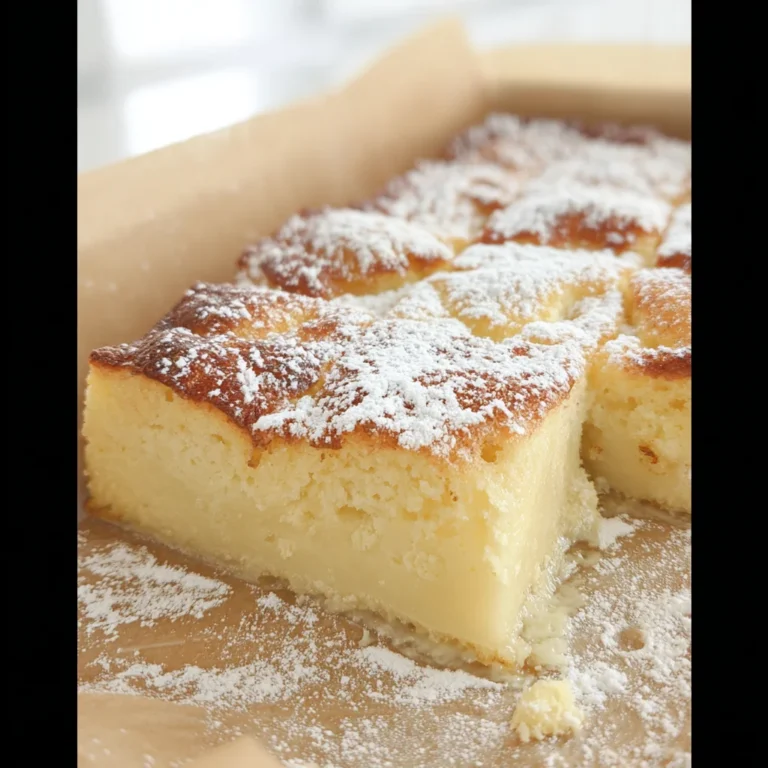
Lemon Magic Custard Cake
Ingredients
- 4 eggs, room temperature
- 3/4 cup sugar
- 115g butter, melted
- 1 tablespoon lemon zest
- 1/4 cup lemon juice
- 3/4 cup plain flour
- 2 cups milk, lukewarm
Instructions
- Preheat the oven to 160c. Line a square cake tin with baking paper and set aside.
- Separate the eggs, adding the egg yolks to a large mixing bowl. Add the egg whites to the bowl of a stand mixer and beat until stiff peaks form. Set the eggs whites aside.
- Add the sugar to the bowl with the egg yolks and whisk until well combined. Add the melted butter, lemon zest and lemon juice and whisk once again. Gradually add the flour, whisking well in between each addition, then repeat with the milk.
- Gently fold the egg white into the egg yolk mixture. Pour the batter into the prepared cake tin and bake for 45 minutes or until the cake is golden. Allow to cool in tin completely.
- Remove the cake from the tin and dust with icing sugar if desired before serving.


2 Comments