
Dijon Mustard Roasted Cauliflower Recipe
Introduction
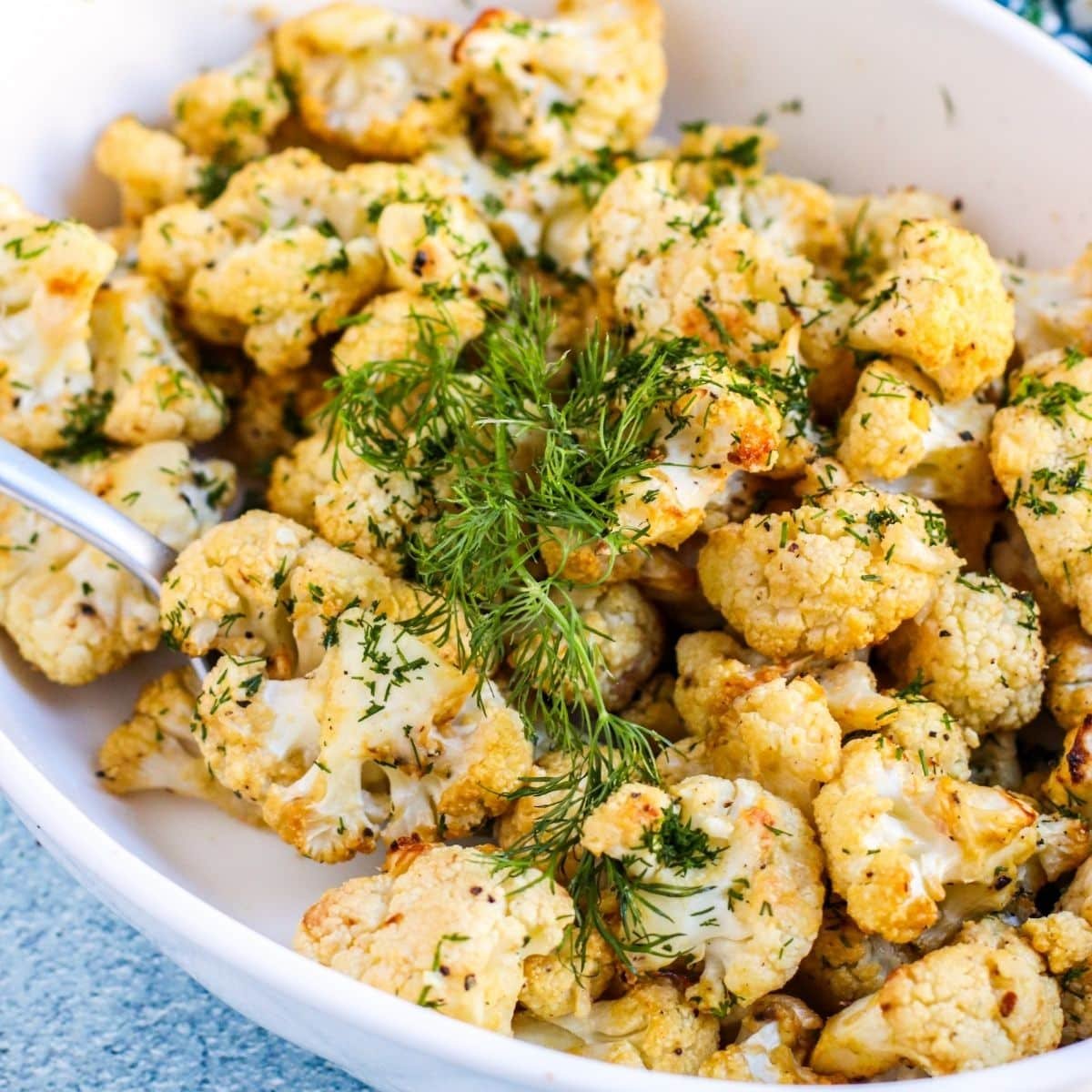
This Easy Dijon Mustard Roasted Cauliflower is the perfect side dish for any meal. The sharp, tangy mustard glaze caramelizes beautifully in the oven, creating crispy edges and tender florets with incredible flavor. It’s a simple, hands-off recipe that pairs wonderfully with proteins or grains. For another great roasted veggie idea, try the Orzo Salad with Roasted Veggies and Feta Recipe.
Ingredients
This simple yet bold Dijon Mustard Roasted Cauliflower transforms with a savory, tangy glaze that caramelizes into a beautifully golden, tender-crisp finish.
- 3 Tablespoons Dijon mustard
- 2 Tablespoons extra virgin olive oil
- 2 cloves garlic, minced
- Salt and pepper, to taste
- 1 head cauliflower, separated into florets (about 4 cups)
- Fresh dill, chopped (for garnish; optional)
Timing
| Prep Time | 10 minutes |
| Cook Time | 25 minutes |
| Total Time | 35 minutes |
Context: This Dijon Mustard Roasted Cauliflower recipe is ready in about 35 minutes, roughly 20% faster than many similar roasted vegetable recipes that require longer marinating or pre-cooking steps.
Step-by-Step Instructions
Step 1 — Preheat and Prepare
Preheat your oven to 425°F (220°C). This high heat is crucial for achieving the perfect caramelized, crispy edges on your Dijon Mustard Roasted Cauliflower. While the oven heats, line a large, rimmed baking sheet with parchment paper for easy cleanup.
Step 2 — Cut the Cauliflower
Remove the leaves and core from one large head of cauliflower. Cut it into uniform, bite-sized florets, about 1 to 1.5 inches wide. Consistent size ensures even cooking, so no pieces burn while others remain undercooked.
Step 3 — Make the Dijon Marinade
In a large mixing bowl, whisk together ¼ cup olive oil, 3 tablespoons Dijon mustard, 2 minced garlic cloves, 1 tablespoon lemon juice, ½ teaspoon smoked paprika, and salt and black pepper to taste. The mustard is the star, providing tangy flavor and helping the coating cling to the cauliflower.
Step 4 — Coat the Florets
Add the cauliflower florets to the bowl with the Dijon mustard marinade. Use a large spoon or your hands to toss thoroughly until every piece is evenly and generously coated. Let it sit for 5 minutes to allow the flavors to penetrate.
Step 5 — Arrange and Roast
Spread the coated cauliflower in a single layer on your prepared baking sheet, ensuring the pieces aren’t crowded. Roast in the preheated oven for 20 minutes. This initial roast begins the caramelization process.
Step 6 — Flip and Finish Roasting
After 20 minutes, carefully remove the sheet and flip the florets with a spatula. Return to the oven for another 10 to 15 minutes. The Dijon Mustard Roasted Cauliflower is done when the edges are deeply browned and crispy, and the stems are fork-tender.
Step 7 — Garnish and Serve
Transfer the roasted cauliflower to a serving platter. For a fresh finish, garnish with chopped fresh parsley or chives and a final squeeze of lemon juice. Serve immediately while hot and crispy for the best texture.
Nutritional Information
| Calories | ~110 kcal |
| Protein | ~4 g |
| Carbohydrates | ~10 g |
| Fat | ~7 g |
| Fiber | ~4 g |
| Sodium | ~180 mg |
Note: These values are estimates for one serving of Dijon Mustard Roasted Cauliflower and can vary based on specific ingredients and portion size.
Healthier Alternatives
This versatile Dijon Mustard Roasted Cauliflower recipe is easy to adapt for various dietary needs. Here are some simple swaps to try.
- Lower-Carb / Keto — Replace the honey or maple syrup in the glaze with a sugar-free alternative like allulose or a few drops of liquid stevia. The flavor profile remains tangy and sweet without the carbs.
- Dairy-Free / Vegan — Swap the butter or Parmesan cheese for a plant-based butter and a sprinkle of nutritional yeast. You’ll get the same rich, umami depth without any dairy.
- Gluten-Free — This recipe is naturally gluten-free. Just ensure your Dijon mustard is certified gluten-free, as some brands may contain trace amounts.
- Lower-Sodium — Use a low-sodium Dijon mustard and reduce or omit any added salt. The herbs and garlic will still provide plenty of flavor.
- Nut-Free — If the recipe includes a nut-based topping like almond flour or chopped walnuts, substitute with toasted sunflower seeds or gluten-free panko for a similar crunch.
- Protein Boost — Serve your Dijon Mustard Roasted Cauliflower over a bed of quinoa or lentils, or alongside grilled chicken or salmon for a more complete, protein-packed meal.
- Oil-Free — For a lower-fat version, toss the cauliflower in vegetable broth or aquafaba (chickpea liquid) before applying the mustard mixture. It will still roast nicely, though with less crispiness.
- Spice Variation — Add a teaspoon of smoked paprika or curry powder to the mustard glaze for a warm, smoky, or aromatic twist on the classic flavor.

Serving Suggestions
This versatile Dijon Mustard Roasted Cauliflower shines as a side or a main. Here are ideas to make it the star of your meal.
Perfect Pairings
- With Proteins: Serve alongside herb-roasted chicken, pan-seared salmon, or grilled pork chops. The tangy mustard cuts through rich flavors beautifully.
- Grain Bowls: Toss the warm cauliflower with quinoa or farro, chickpeas, and a lemony tahini drizzle for a hearty vegetarian bowl.
- On Salads: Let it cool slightly and add to a bed of bitter greens like arugula with a simple vinaigrette for a warm salad.
Occasions & Menus
- Weeknight Winner: Its quick prep makes it an ideal, flavorful side for busy evenings.
- Holiday Table: This Dijon Mustard Roasted Cauliflower offers a vibrant, modern alternative to traditional steamed vegetables for Thanksgiving or Easter.
- Potluck Favorite: It travels well and tastes great at room temperature, making it a reliable crowd-pleaser.
Plating & Garnish Tips
Elevate your presentation with simple touches. Serve on a rustic platter and finish with a sprinkle of fresh chopped parsley, chives, or toasted breadcrumbs for crunch. A final drizzle of high-quality olive oil or a squeeze of lemon just before serving brightens all the flavors.
Common Mistakes to Avoid
- Mistake: Using pre-cut florets that are too small. Fix: Cut your own from a whole head into 1.5-inch pieces for better caramelization without burning.
- Mistake: Skipping the step of drying the cauliflower after washing. Fix: Pat florets thoroughly dry with a kitchen towel; excess water steams them and thins the Dijon mustard coating.
- Mistake: Applying the Dijon mustard mixture while the cauliflower is still warm. Fix: Let florets cool completely after blanching or drying to ensure the flavorful paste sticks properly.
- Mistake: Overcrowding the roasting pan. Fix: Use a large, rimmed baking sheet with ample space between pieces to promote browning, not steaming.
- Mistake: Roasting at too low a temperature. Fix: A hot oven (425°F / 220°C) is key for achieving the perfect crispy, golden edges on your Dijon Mustard Roasted Cauliflower.
- Mistake: Using old or weak Dijon mustard. Fix: Fresh, high-quality Dijon provides the necessary tang and helps the oil and seasonings emulsify into a cohesive coating.
- Mistake: Neglecting to toss halfway through roasting. Fix: Gently turn the florets to ensure even exposure to heat and prevent the Dijon crust from sticking to the pan.
- Mistake: Adding fresh herbs like parsley too early. Fix: Stir in delicate herbs after roasting to preserve their bright color and fresh flavor against the oven’s heat.
- Mistake: Serving immediately without resting. Fix: Let the roasted cauliflower sit for 5 minutes; this allows the flavors to settle and the crust to firm up slightly.
Storing Tips
- Fridge: Cool the roasted cauliflower completely, then store in an airtight container in the refrigerator for 3 to 4 days.
- Freezer: For longer storage, spread cooled florets on a baking sheet to freeze solid, then transfer to a freezer-safe bag or container for up to 3 months. Thaw in the fridge before reheating.
- Reheat: For best texture, reheat in a 375°F (190°C) oven or air fryer until hot throughout, about 5-10 minutes. You can also use a microwave, though the edges may soften. Ensure leftovers reach an internal temperature of 165°F (74°C) for food safety.
Properly stored, this Dijon Mustard Roasted Cauliflower makes for excellent, quick leftovers. The mustard and herb flavors often deepen overnight, making it a fantastic meal-prep option.
Conclusion
This Dijon Mustard Roasted Cauliflower is a simple, flavorful side dish that transforms a humble vegetable into something special. For more delicious ways to enjoy cauliflower, try our Broccoli, Cauliflower and Cheese Soup Recipe or the vibrant BLT Cauliflower Salad Recipe. Give this recipe a try and let us know what you think in the comments!
Print
Dijon Mustard Roasted Cauliflower
Ingredients
- 3 Tablespoons Dijon mustard
- 2 Tablespoons extra virgin olive oil
- 2 cloves garlic (minced)
- salt and pepper (to taste)
- 1 head cauliflower (separated into florets (about 4 cups))
- fresh dill (chopped, for garnish)
Instructions
- Heat the oven to 400°F (200°C).
- Meanwhile, combine the Dijon mustard, olive oil, garlic, and salt and pepper in a large mixing bowl.
- Add the cauliflower florets to the mustard mixture and toss well with your hands so that the florets are well coated.
- Spread the cauliflower out in a single layer on a baking sheet lined with parchment paper for easier clean up.
- Roast in the oven for 30 minutes or until the cauliflower is tender and lightly browned.
- Remove the baking sheet from the oven and transfer the cauliflower to a shallow serving bowl or plate. Garnish with chopped fresh dill and serve.
FAQs
Can I make this Dijon Mustard Roasted Cauliflower ahead of time?
You can roast the cauliflower ahead of time, but it’s best served fresh for maximum crispness. If you need to prep in advance, combine the Dijon mustard coating and cut the florets, storing them separately in the fridge. Toss and roast just before serving for the best texture.
What can I substitute for Dijon mustard in this recipe?
For a similar tangy flavor, you can use whole-grain mustard or a mild yellow mustard. Note that the distinct, sharp flavor of Dijon mustard is key to this Dijon Mustard Roasted Cauliflower, so substitutions will alter the final taste profile slightly.
How do I get my roasted cauliflower crispy and not soggy?
Ensure your cauliflower florets are completely dry before tossing them in the Dijon mustard mixture. Spread them in a single, uncrowded layer on the baking sheet and roast at a high temperature without stirring too often. This method guarantees a perfectly caramelized and crispy Dijon Mustard Roasted Cauliflower.


I like this post, enjoyed this one thank you for putting up. “The basis of optimism is sheer terror.” by Oscar Wilde.
★★★★