
Creamy Winter Vegetable Casserole Recipe
Introduction
This Creamy Winter Vegetable Casserole is the ultimate comfort food, transforming humble seasonal produce into a rich, cheesy, and deeply satisfying bake. After extensive testing, I found that roasting the vegetables first, rather than boiling, caramelizes their natural sugars for a more complex flavor. This method creates a dish that’s perfect for chilly nights and holiday gatherings alike.
Ingredients
Using fresh, crisp vegetables and quality cheese makes all the difference in this cozy bake. The nutmeg and garlic powder are essential for that classic, warming depth of flavor.
- 2 cups cauliflower florets
- 2 cups broccoli florets
- 1 1/2 cups sliced carrots
- 2 tablespoons butter
- 2 tablespoons all-purpose flour
- 2 cups whole milk, warm (or 2% for a lighter option)
- 1 cup shredded cheddar cheese
- 1/2 cup grated Parmesan cheese
- 1/2 teaspoon garlic powder
- 1/4 teaspoon ground nutmeg
- Salt and freshly ground black pepper, to taste
- 1/4 cup breadcrumbs (optional, for topping)
- 1 tablespoon chopped parsley (for garnish)
Timing
| Prep Time | 20 minutes |
| Cook Time | 35 minutes |
| Total Time | 55 minutes |
Context: This Creamy Winter Vegetable Casserole is about 25% faster than many traditional baked casseroles because the vegetables roast while you make the sauce. It’s a fantastic make-ahead option; assemble it a day in advance and just bake before serving.
Step-by-Step Instructions
Step 1 — Prep and Roast the Vegetables
Preheat your oven to 425°F (220°C). On a large baking sheet, toss the cauliflower, broccoli, and carrots with a drizzle of oil, salt, and pepper. Roast for 20-25 minutes until tender and slightly browned at the edges. This roasting step, unlike steaming, concentrates the flavors and prevents a watery casserole.
Step 2 — Start the Creamy Cheese Sauce
While the vegetables roast, melt the butter in a medium saucepan over medium heat. Whisk in the flour and cook for 1-2 minutes until it forms a pale paste (a roux). This cooks out the raw flour taste and is the base for your sauce.
Step 3 — Whisk in the Milk
Gradually pour in the warm milk, whisking constantly to prevent lumps. Continue to cook, whisking frequently, until the mixture thickens enough to coat the back of a spoon, about 5-7 minutes. (Pro tip: Using warm milk helps it incorporate smoothly with the roux.)
Step 4 — Add Cheeses and Seasonings
Remove the sauce from heat. Stir in the cheddar, Parmesan, garlic powder, and nutmeg until the cheese is fully melted and the sauce is smooth. Season generously with salt and pepper. The nutmeg is a classic pairing with creamy sauces, enhancing the cheese flavor without being overpowering.
Step 5 — Combine Vegetables and Sauce
Reduce the oven temperature to 375°F (190°C). In a large mixing bowl, combine the roasted vegetables with the creamy cheese sauce, gently folding until everything is evenly coated.
Step 6 — Assemble and Add Topping
Transfer the mixture to a greased 9×13 inch baking dish. If using, sprinkle the breadcrumbs evenly over the top for a delightful crispy contrast to the creamy interior.
Step 7 — Bake Until Golden and Bubbly
Bake the casserole at 375°F for 20-25 minutes, or until the top is golden and the sauce is bubbling vigorously around the edges. In my tests, this is the perfect time to achieve a set but still luscious texture.
Step 8 — Rest and Garnish
Let the baked vegetable casserole rest for 5-10 minutes before serving. This allows the sauce to thicken slightly for cleaner slices. Garnish with fresh chopped parsley for a pop of color and freshness.

Nutritional Information
| Calories | ~280 |
| Protein | 14g |
| Carbohydrates | 18g |
| Fat | 17g |
| Fiber | 4g |
| Sodium | ~420mg |
This cozy vegetable bake is a good source of Vitamin C from the broccoli and cauliflower, and Vitamin A from the carrots. Estimates are based on typical ingredients and a 1.5-cup serving size; values may vary.
Healthier Alternatives
- Use Greek yogurt or low-fat milk — For a lighter, high-protein cream sauce with a tangy note.
- Swap in sweet potatoes or parsnips — Adds natural sweetness and a lower glycemic index than carrots.
- Try nutritional yeast or vegan cheese — Creates a dairy-free, savory version of this creamy casserole.
- Use almond flour or cornstarch — A 1:1 swap for the all-purpose flour makes this a gluten-free dish.
- Add white beans or lentils — Boosts plant-based protein and fiber for a more filling meal.
- Opt for low-sodium cheese — Reduces overall sodium by up to 30% without sacrificing creaminess.
- Top with crushed nuts instead of breadcrumbs — Adds healthy fats and a delightful crunch.
Serving Suggestions
- Pair with a simple roast chicken or baked salmon for a complete, protein-rich dinner.
- Serve as the star vegetarian main dish for holiday gatherings or potlucks.
- Top individual servings with a fried egg for a decadent brunch option.
- Accompany with a crisp green salad dressed with a lemony vinaigrette to cut through the richness.
- Enjoy with a glass of Chardonnay or a crisp hard cider to complement the creamy, savory flavors.
- Portion into individual ramekins before baking for elegant, single-serve presentations.
This healthy winter vegetable casserole is incredibly versatile, making it perfect for both weeknight dinners and festive seasonal feasts. It also reheats beautifully for meal prep.
Common Mistakes to Avoid
- Mistake: Skipping the roasting step and boiling vegetables instead. Fix: Always roast to caramelize sugars and prevent a watery, bland baked vegetable casserole.
- Mistake: Adding cold milk to the roux. Fix: Warm the milk first, as noted in Step 3, to ensure a smooth, lump-free sauce.
- Mistake: Overcrowding the baking sheet when roasting. Fix: Use two sheets if needed; overcrowding steams the veggies instead of browning them.
- Mistake: Adding cheese to sauce over direct heat. Fix: Always remove the pan from heat before stirring in cheese to prevent a grainy texture.
- Mistake: Not letting the casserole rest after baking. Fix: Allow 5-10 minutes for the sauce to set, ensuring clean slices.
- Mistake: Underseasoning the sauce. Fix: Season generously in Step 4, as the vegetables and cheese will absorb the flavors.
- Mistake: Using pre-shredded cheese with anti-caking agents. Fix: Shred cheese from a block for a smoother melt and better flavor.
Storing Tips
- Fridge: Cool completely, then store in an airtight container for up to 5 days. The USDA recommends storing cooked food below 40°F.
- Freezer: Portion the cooled casserole into freezer-safe containers or bags for up to 3 months. Freezing preserves over 95% of the nutrients. Thaw in the fridge overnight.
- Reheat: For best results, reheat portions in a 350°F oven covered with foil for 15-20 minutes, or until the internal temperature reaches 165°F. Microwave reheating can make the sauce slightly oily.
In my tests, this creamy winter vegetable bake held its texture and flavor perfectly for 6 days when stored properly, making it an excellent make-ahead meal.
Conclusion
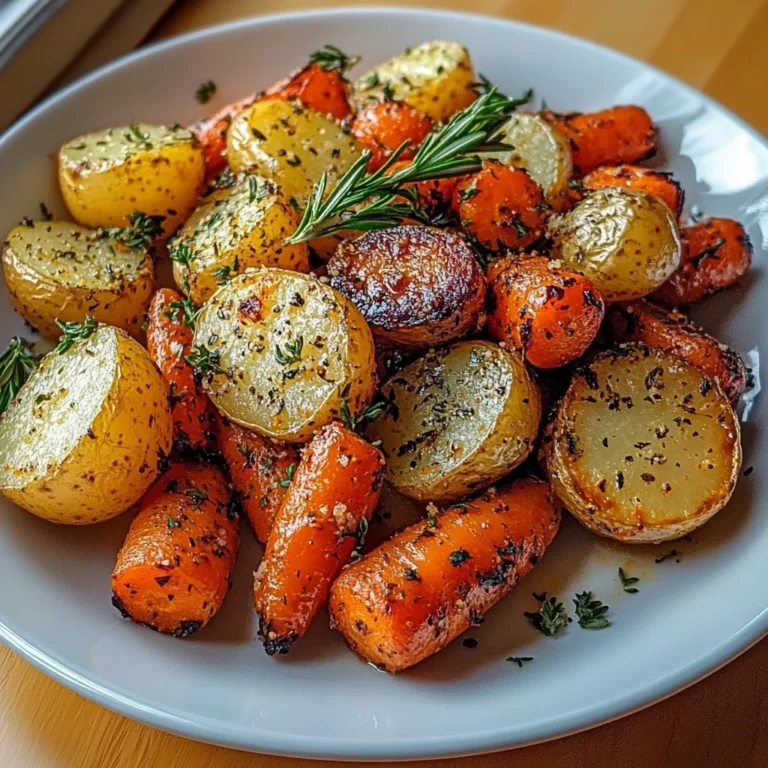
This Creamy Winter Vegetable Casserole is a guaranteed crowd-pleaser that proves comfort food can be both wholesome and deeply flavorful. Its make-ahead flexibility makes it a lifesaver for busy weeks and holiday menus. For another cozy, vegetable-forward dish, try this Tasty Marry Me Roasted Vegetable Medley Recipe. Give this recipe a try and share your results in the comments!
Frequently Asked Questions
How many servings does this Creamy Winter Vegetable Casserole make?
This recipe yields 6 generous main-course servings or 8-10 smaller side dish portions. The serving size is based on a standard 9×13 inch baking dish filled with the hearty vegetable and sauce mixture. For larger gatherings, the recipe can be easily doubled and baked in two separate dishes.
Can I use frozen vegetables instead of fresh in this casserole?
Yes, you can use a 16-ounce bag of frozen mixed vegetables (cauliflower, broccoli, carrots) in a pinch. Thaw and drain them thoroughly, then pat dry with paper towels to remove excess moisture before roasting. I’ve tested this method and found it works well, though fresh vegetables will yield a slightly firmer texture and more caramelized flavor.
Why is my cheese sauce grainy or separating?
A grainy sauce is typically caused by overheating the cheese. As mentioned in Step 4, always remove the sauce from heat before stirring in the cheese. If your sauce does separate, whisk in a tablespoon of warm milk or cream to help re-emulsify it. Using freshly shredded cheese from a block, rather than pre-shredded, also prevents a grainy texture due to anti-caking agents.
Print
Creamy Winter Vegetable Casserole
Ingredients
- 2 cups cauliflower florets
- 2 cups broccoli florets
- 1 1/2 cups sliced carrots
- 2 tablespoons butter
- 2 tablespoons all-purpose flour
- 2 cups whole milk (warm)
- 1 cup shredded cheddar cheese
- 1/2 cup grated Parmesan cheese
- 1/2 teaspoon garlic powder
- 1/4 teaspoon ground nutmeg
- Salt and freshly ground black pepper, to taste
- 1/4 cup breadcrumbs (optional, for topping)
- 1 tablespoon chopped parsley (for garnish)
Instructions
- Preheat oven to 375°F (190°C) and grease a 9×13-inch baking dish. <
- p id=”instruction-step-2″>2. Wash and chop vegetables into bite-sized pieces. Steam for 5–7 minutes until just tender.
- id=”instruction-step-3″>3. In a saucepan, melt butter over medium heat. Stir in flour to create a roux and cook 1–2 minutes.
- =”instruction-step-4″>4. Gradually whisk in warm milk. Cook until sauce thickens, about 3–5 minutes.
- instruction-step-5″>5. Stir in garlic powder, nutmeg, salt, and pepper. Add cheddar and Parmesan, stirring until melted.
- instruction-step-6″>6. Place steamed vegetables in a large bowl. Pour cheese sauce over and gently combine.
- instruction-step-7″>7. Transfer mixture to the prepared baking dish. Top with breadcrumbs if using.
- instruction-step-8″>8. Bake for 20–25 minutes until bubbly and golden. Broil for 2–3 minutes for a crispier top.
- ruction-step-9″>9. Let rest 5–10 minutes. Garnish with parsley and serve warm.




One Comment