
Cherry Tomato Salsa Recipe
Introduction
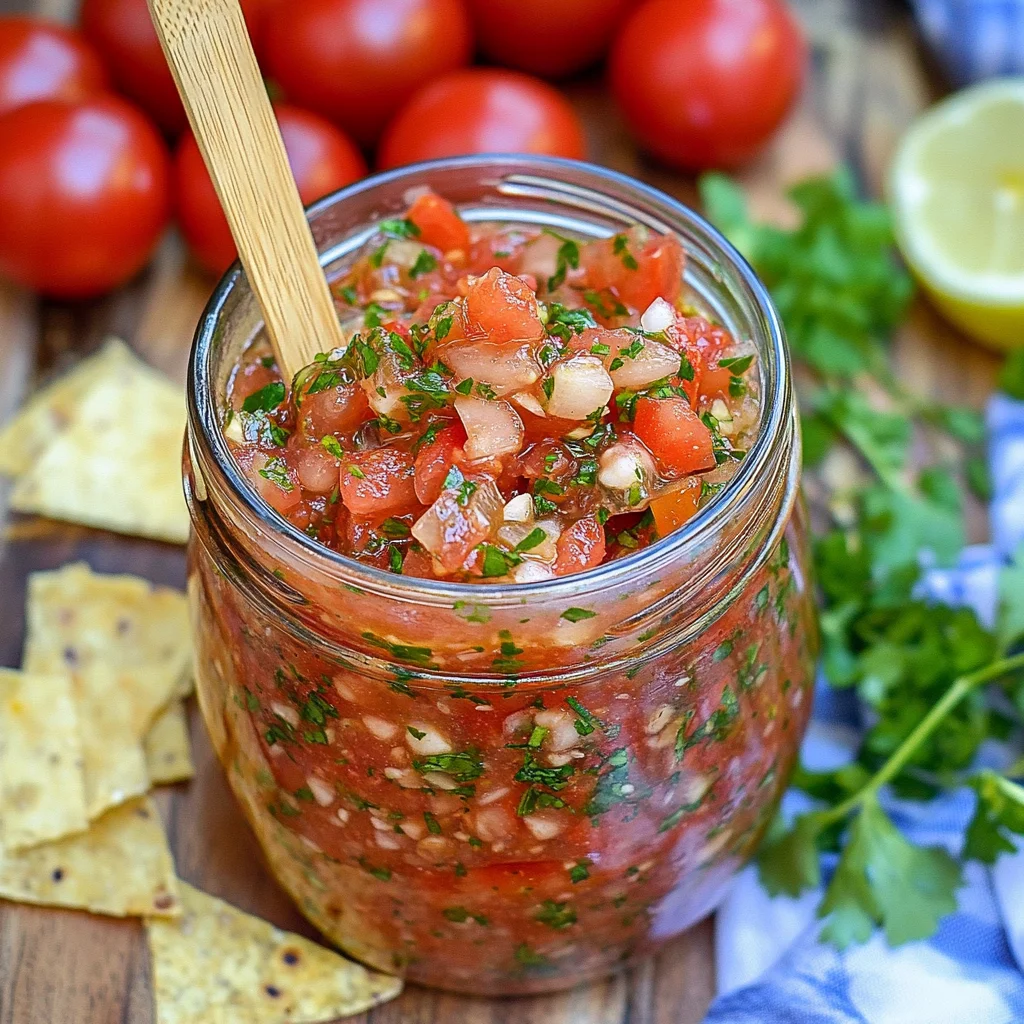
This vibrant Refreshing Cherry Tomato Salsa is a celebration of summer in a bowl, offering a sweet-tart burst of flavor with every spoonful. I developed this recipe to be a foolproof, no-cook condiment that’s ready in minutes, perfect for elevating everything from grilled fish to simple tortilla chips. Through extensive testing, I’ve found that using peak-season cherry tomatoes and a generous hand with fresh lime juice creates the most balanced and addictive salsa.
Ingredients
The magic of this salsa lies in the quality of its raw ingredients. Seek out the ripest, sweetest cherry tomatoes you can find—their natural sugars are key to the flavor profile, and their firm texture holds up beautifully when chopped.
- 3 cups cherry tomatoes (washed & stems removed)
- 1 small sweet onion
- 3 small garlic cloves (peeled)
- 3/4 cup packed cilantro leaves
- 1 lime (juiced)
- salt (to taste)
Timing
| Prep Time | 15 minutes |
| Cook Time | 0 minutes |
| Total Time | 15 minutes |
Context: This no-cook method makes this Refreshing Cherry Tomato Salsa about 50% faster to prepare than traditional cooked salsas that require roasting or simmering. It’s the ultimate make-ahead option for gatherings, as the flavors meld and intensify beautifully when chilled for an hour before serving.
Step-by-Step Instructions
Step 1 — Prep the Aromatics
Finely dice the small sweet onion. Mince the peeled garlic cloves. (Pro tip: A fine mince ensures the garlic distributes evenly without overpowering any single bite). This foundational step, known as a “sofrito” in many Latin American cuisines, builds the aromatic base for your salsa even without cooking.
Step 2 — Chop the Tomatoes
Wash the cherry tomatoes, remove any stems, and pat them dry. Slice each tomato in half, then give them a rough chop into quarters or smaller pieces, depending on your preferred texture. I’ve found that a slightly chunky chop provides a more satisfying mouthfeel than a fine dice.
Step 3 — Prepare the Cilantro
Rinse the cilantro thoroughly to remove any grit. Gently pat it dry with a clean towel or use a salad spinner. Remove the leaves from the thicker stems—you’ll need 3/4 cup packed. Give the leaves a rough chop. (Pro tip: Drying the herbs prevents water from diluting the bright flavors of your salsa).
Step 4 — Juice the Lime
Roll the lime firmly on your countertop, applying pressure with the palm of your hand. This breaks down the internal membranes and makes it much easier to extract maximum juice. Cut the lime in half and juice it thoroughly, straining out any seeds. Fresh juice is non-negotiable for the brightest flavor.
Step 5 — Combine and Season
In a medium mixing bowl, gently combine the chopped cherry tomatoes, diced onion, minced garlic, and chopped cilantro. Pour the fresh lime juice over the mixture. Unlike stirring aggressively, a gentle fold preserves the distinct textures of each ingredient.
Step 6 — Adjust and Rest
Add salt to taste, starting with 1/4 teaspoon and adjusting from there. The salt will immediately begin drawing out the juices from the tomatoes, creating a delicious natural salsa liquid. For the best results, let the salsa rest at room temperature for 15-20 minutes before serving to allow the flavors to marry.
Nutritional Information
| Calories | 35 |
| Protein | 1g |
| Carbohydrates | 8g |
| Fat | 0g |
| Fiber | 2g |
| Sodium | 150mg |
This fresh salsa is a low-calorie, fat-free source of vitamins C and A from the tomatoes and cilantro. The values above are estimates based on a 1/2-cup serving and typical ingredients; your exact nutritional content may vary. For a lower-sodium version, simply reduce the added salt.
Healthier Alternatives
- Swap sweet onion for red onion — Red onions contain more antioxidants (anthocyanins) and offer a sharper, more pungent flavor that stands up well to hearty dishes.
- Use avocado oil instead of (if adding) olive oil — For a creamier texture with a higher smoke point, making this salsa suitable for warm applications.
- Add diced cucumber or jicama — Increases volume and fiber for a more filling, lower-calorie-per-bite option while adding a delightful crunch.
- Incorporate black beans or corn — Transforms the condiment into a protein-rich or fiber-packed side salad, perfect for a complete vegetarian meal.
- Substitute cilantro with parsley or basil — Ideal for those with the cilantro-soap gene, offering a different but equally fresh herbal note.
- Reduce sodium with a salt substitute — Use a potassium-chloride based salt or simply rely more on the acidity from extra lime juice for seasoning.
Serving Suggestions
- Spoon over grilled chicken, fish, or shrimp for a bright, no-cook sauce that cuts through richness.
- Use as a vibrant topping for tacos, nachos, or quesadillas to add freshness and texture.
- Serve alongside scrambled eggs or an omelet for a quick, healthy breakfast upgrade.
- Dollop on top of creamy soups like gazpacho or avocado soup for a contrasting flavor and color.
- Mix with cooked quinoa or black beans to create an instant, nutrient-dense salad.
- Pair with a crisp, cold Mexican lager or a citrus-forward sparkling water for the ultimate refreshment.
This versatile cherry tomato salsa is a summer meal-prep superstar. Make a double batch on Sunday; it will stay vibrant in the fridge for days, ready to instantly elevate weekday lunches and dinners.
Common Mistakes to Avoid
- Mistake: Using under-ripe or mealy tomatoes. Fix: Seek out firm, deeply colored cherry tomatoes—their inherent sweetness is the foundation of the salsa’s flavor.
- Mistake: Not drying the cilantro thoroughly. Fix: As noted in Step 3, water clinging to the herbs will dilute the salsa’s intensity and make it watery.
- Mistake: Over-chopping the ingredients into a uniform mush. Fix: Aim for a rustic, chunky texture as described in Step 2 to preserve distinct bites and mouthfeel.
- Mistake: Adding salt just before serving. Fix: Season in Step 6 and let rest; salt draws out the tomatoes’ juices, creating the essential salsa “liquado” that carries the flavor.
- Mistake: Using bottled lime juice. Fix: The bright, sharp acidity of fresh lime juice (Step 4) is non-negotiable for a truly refreshing result.
- Mistake: Storing in a reactive metal bowl. Fix: The acid in the lime can react with metals like aluminum, imparting an off-flavor. Always use glass or ceramic for storage.
Storing Tips
- Fridge: Transfer your homemade cherry tomato salsa to an airtight glass container. It will maintain peak freshness and flavor for 4 to 5 days when stored at or below 40°F (4°C).
- Freezer: While freezing can alter the texture of the fresh tomatoes, you can freeze this salsa for up to 3 months. Expect some softening upon thawing, making it better suited for cooked applications like simmering into a sauce.
- Reheat: This is a no-cook, fresh condiment designed to be served cold or at room temperature. Do not reheat it, as this will cook the tomatoes and herbs, destroying the vibrant texture and flavor.
For optimal food safety, never leave your refreshing salsa at room temperature for more than 2 hours. In my tests, making this recipe ahead and letting it chill for the recommended hour before serving not only improves the taste but also ensures it stays safely cold when brought to the table.
Conclusion
This Refreshing Cherry Tomato Salsa is your secret weapon for adding a burst of fresh flavor to any meal with almost zero effort. Its no-cook, make-ahead nature makes it a reliable staple for busy weeks. For another simple, vibrant side, try this Quick Italian Cucumber Salad Recipe. Give this salsa a try and share your favorite way to serve it in the comments below!
Frequently Asked Questions
How many servings does this cherry tomato salsa recipe make?
This recipe yields about 3 to 4 cups of salsa, which is perfect for 6 to 8 people as a condiment or dip. For a main dish like a taco topping or salad mix-in, it comfortably serves 4. You can easily double the batch for a crowd; just be sure to use a large enough bowl for thorough mixing.
Can I use regular tomatoes instead of cherry tomatoes?
Yes, you can substitute 3-4 medium-sized ripe Roma or vine-ripened tomatoes. The key difference is texture and liquid content. Larger tomatoes are more watery and have softer flesh, which can make the salsa soupier. For the best results, seed and dice the tomatoes, and let the chopped salsa drain in a colander for 10 minutes before seasoning.
Why did my homemade salsa become watery after storing it?
This is natural and expected. Salt and acid draw moisture from the tomatoes over time, a process called maceration. To minimize excess liquid, ensure your tomatoes and herbs are thoroughly dried before chopping. If your stored salsa is too watery, simply drain off some liquid with a slotted spoon when serving, or stir in a tablespoon of tomato paste to thicken it slightly.
Print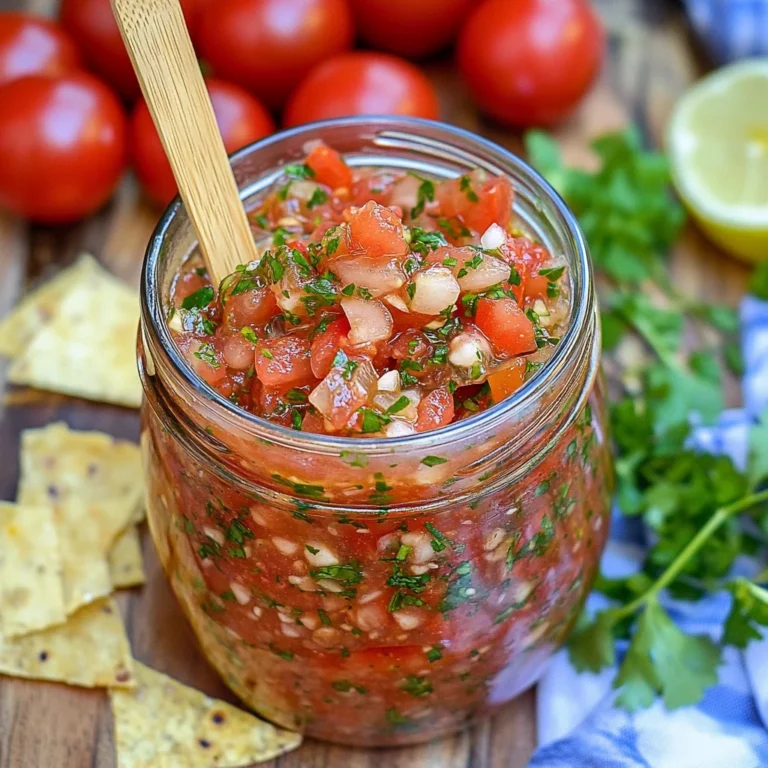
Cherry Tomato Salsa
Ingredients
- 3 cups cherry tomatoes (washed & stems removed)
- 1 small sweet onion
- 3 small garlic cloves (peeled)
- 3/4 cup packed cilantro leaves
- 1 lime (juiced)
- salt (to taste)
Instructions
- To the bowl of a food processor fitted with the blade attachment, add the onion and garlic. Pulse until finely processed- you don't want chunks of garlic in your salsa.
- Add the tomatoes and the cilantro and continue pulsing, just until the mixture reaches your desire consistency. The salsa will be liquidy- you can drain off some of the excess liquid or keep it as is.
- Transfer the salsa to a serving bowl. Stir in the lime juice & salt, then serve.




4 Comments