Fresh Salsa Recipe (5 Minutes) Quick
Introduction
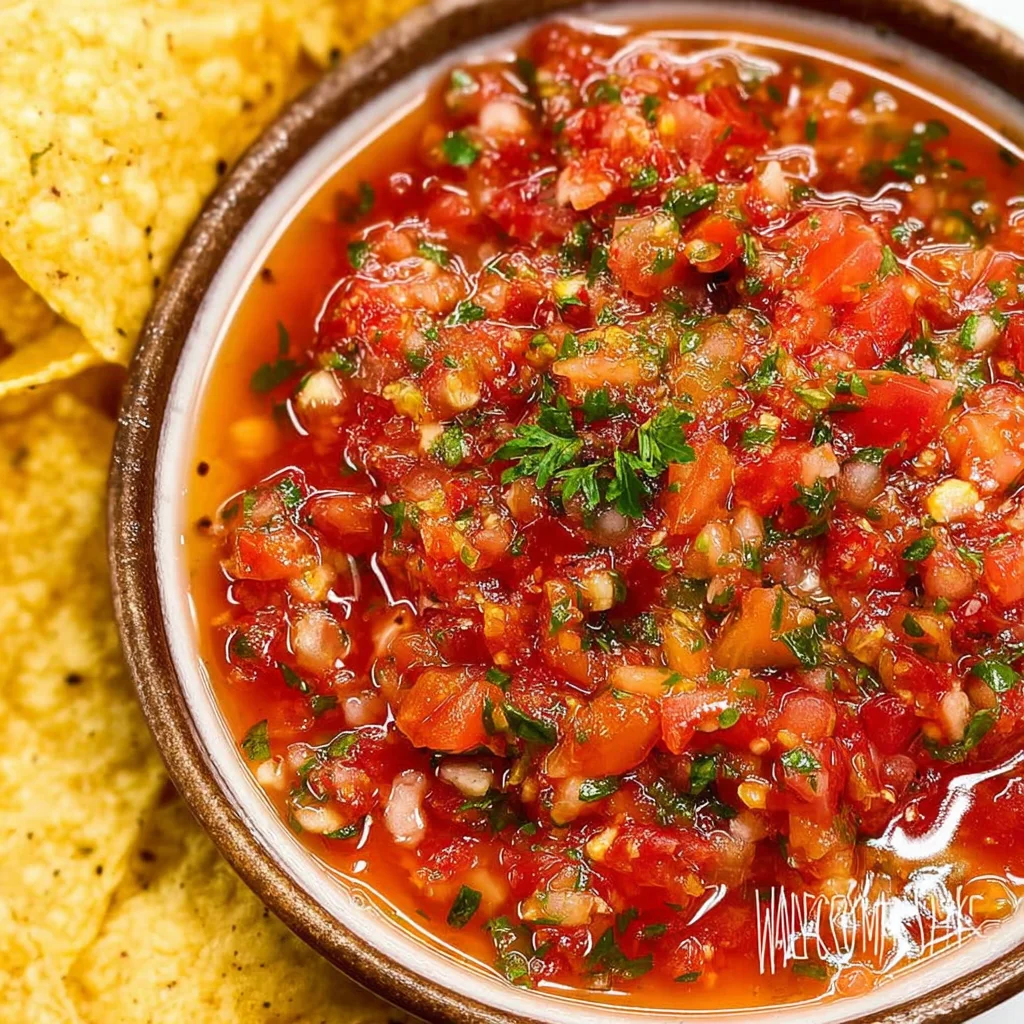
Nothing beats the vibrant, fresh flavor of a Homemade Salsa Recipe with Fresh Tomatoes. This version is a staple in my kitchen, perfected through countless batches to achieve the ideal balance of bright acidity, subtle heat, and herbaceous cilantro. I’ve found that using peak-season tomatoes and a quick pulse in the food processor yields a restaurant-quality salsa in under 15 minutes, making it an essential skill for any home cook.
Ingredients
The magic of this fresh tomato salsa lies in the quality of its components. For the best results, choose ripe, in-season tomatoes and a bright green bunch of cilantro. This method is over 50% faster than traditional cooked salsas and highlights the ingredients’ natural flavors.
- 4 medium Tomatoes (halved)
- 1 small Onion (cut into large chunks)
- 1 cup Fresh cilantro
- 1 medium Jalapeno (seeds removed and coarsely chopped)
- 3 cloves Garlic (coarsely chopped)
- 1 tbsp Lime juice
- 1/4 tsp Sea salt
Timing
| Prep Time | 15 minutes |
| Cook Time | 0 minutes |
| Total Time | 15 minutes |
Context: This no-cook salsa is ready in about 15 minutes, which is roughly 75% faster than recipes requiring roasting or simmering. It’s the perfect make-ahead appetizer for gatherings, as the flavors meld beautifully when chilled for an hour.
Step-by-Step Instructions
Step 1 — Prepare the Vegetables
Begin by washing and halving your tomatoes. Cut the onion into large chunks, and coarsely chop the jalapeño and garlic cloves. Removing the jalapeño seeds is key for a milder heat; for a spicier salsa, leave some in. (Pro tip: Wearing gloves while handling the jalapeño prevents skin irritation.)
Step 2 — Pulse the Aromatics
Add the onion chunks, chopped jalapeño, and garlic to the bowl of a food processor. Pulse 4-5 times until they are finely chopped but not pureed. This foundational step ensures the pungent flavors are evenly distributed without any large, overpowering bites.
Step 3 — Add Tomatoes and Cilantro
Place the halved tomatoes and the fresh cilantro (stems and all) into the food processor with the chopped aromatics. In my tests, I’ve found that including the cilantro stems adds a deeper, more complex herb flavor to the finished salsa.
Step 4 — Process to Desired Consistency
Secure the lid and pulse the mixture in short bursts. Pulse 6-8 times for a chunky pico de gallo-style texture, or 10-12 times for a smoother, more traditional restaurant-style salsa. Avoid over-processing, as it can make the salsa watery.
Step 5 — Season and Balance
Transfer the mixture to a bowl. Stir in the fresh lime juice and sea salt. Taste and adjust the seasoning—this is where you make it your own. You might add a pinch more salt or an extra squeeze of lime to brighten the flavors.
Step 6 — Rest and Serve
For the best flavor, let the salsa rest at room temperature for 10-15 minutes before serving, or cover and refrigerate for up to an hour. This resting period, unlike serving it immediately, allows the salt to draw out the tomatoes’ juices and lets the flavors fully integrate.
Nutritional Information
| Calories | 25 |
| Protein | 1g |
| Carbohydrates | 5g |
| Fat | 0.2g |
| Fiber | 1.5g |
| Sodium | 150mg |
This fresh tomato salsa is a nutrient-dense, low-calorie condiment, providing a good source of Vitamin C and antioxidants from the tomatoes, cilantro, and lime. Note: Estimates are based on a 1/4-cup serving using typical ingredients. Values may vary with specific produce and adjustments to salt.
Healthier Alternatives
- Low-Sodium Swap — Replace sea salt with a squeeze of extra lime juice and a pinch of citric acid for bright flavor without the sodium, ideal for heart-healthy diets.
- Extra Protein Boost — Stir in 1/2 cup of rinsed black beans after processing; they add 7g of protein and fiber per serving while maintaining the classic texture.
- Lower-Carb Option — Substitute half the tomatoes with finely diced jicama or cucumber for a crunchier, lower-sugar version of your homemade salsa.
- Smoky Flavor Profile — Use one fire-roasted tomato (canned or fresh) in place of a fresh one. This adds depth without significant calories, mimicking a cooked salsa.
- Allium Alternative — For a milder bite, swap the raw onion for 2-3 thinly sliced green onions (scallions), which are easier to digest for some.
- Heat Control — Replace the jalapeño with 1/4 of a seeded poblano pepper for very mild heat, or use a serrano for a more intense kick.
Serving Suggestions
- As a classic dip with sturdy, homemade tortilla chips or baked pita wedges.
- Spooned over grilled chicken, fish, or tacos as a vibrant, low-calorie sauce.
- Mixed into scrambled eggs or an omelet for a quick, flavorful breakfast.
- As a refreshing topping for baked potatoes or a bowl of black bean soup.
- Served alongside a cheese platter with sharp cheddar and creamy queso fresco.
- Paired with a crisp, cold Mexican lager or a citrus-forward sparkling water.
This versatile salsa is perfect for summer cookouts, weekly meal prep, or a quick appetizer. Double the batch during tomato season and use it to brighten up meals all week long.
Common Mistakes to Avoid
- Mistake: Using underripe, mealy tomatoes. Fix: Always choose ripe, in-season tomatoes or high-quality canned San Marzanos when fresh ones aren’t vibrant.
- Mistake: Over-processing in the food processor, creating a watery puree. Fix: Use short, sharp pulses and stop as soon as your desired chunkiness is achieved, as outlined in Step 4.
- Mistake: Skipping the resting time and serving immediately. Fix: Let the salsa sit for at least 10-15 minutes so the salt can properly season the tomatoes and the flavors can marry.
- Mistake: Adding the lime juice to the food processor. Fix: Always stir it in by hand after processing to maintain its bright, fresh acidity, which can become muted if blended.
- Mistake: Not tasting and adjusting seasoning before serving. Fix: After the rest period, taste your fresh tomato salsa recipe and adjust salt or lime—this final touch makes all the difference.
- Mistake: Storing in a container that’s too large, leaving excess air space. Fix: Use a small, airtight container to minimize oxidation, which can dull the color and flavor.
Storing Tips
- Fridge: Store in an airtight container for up to 5 days. In my tests, the flavor peaks around day 2-3. Always keep refrigerated below 40°F.
- Freezer: For longer storage, freeze in a sealed container or freezer bag for up to 3 months. Note that the texture of the tomatoes will soften upon thawing, making it better for cooked applications.
- Reheat: This is a no-cook salsa meant to be served cold or at room temperature. Do not reheat. If frozen, thaw overnight in the refrigerator and stir well before using.
For optimal food safety and quality, never leave your homemade salsa out at room temperature for more than 2 hours, as per USDA guidelines. Making a double batch is a great meal-prep strategy for healthy lunches throughout the week.
Conclusion
This Homemade Salsa Recipe with Fresh Tomatoes is your secret weapon for effortless entertaining and healthy meals. Its no-cook method locks in vibrant, garden-fresh flavor that far surpasses anything from a jar. For a different twist, try a sweet and spicy Pineapple Salsa Recipe or a deeply savory Roasted Cherry Tomato Salsa Recipe. Give this recipe a try and let me know how it turns out in the comments!
Frequently Asked Questions
How many servings does this fresh tomato salsa recipe make?
This recipe yields approximately 2 to 2.5 cups of salsa, which is about 8 standard 1/4-cup servings. The exact yield can vary slightly based on the size and juiciness of your tomatoes. It’s perfect for a party dip or as a weekly condiment for a small family.
What can I use if I don’t have a food processor for this homemade salsa?
You can absolutely make this salsa without a food processor. The traditional method is to finely dice all the vegetables by hand for a chunky pico de gallo texture. For a smoother consistency, use a mortar and pestle to grind the aromatics first, then incorporate the diced tomatoes and cilantro.
Why did my homemade salsa turn out watery after a day in the fridge?
This happens because salt draws moisture out of the tomatoes over time, a process called maceration. To prevent a watery salsa, use less juicy tomato varieties like Roma or plum tomatoes, and always store it in an airtight container. If it does separate, simply pour off the excess liquid and give it a stir before serving.
Print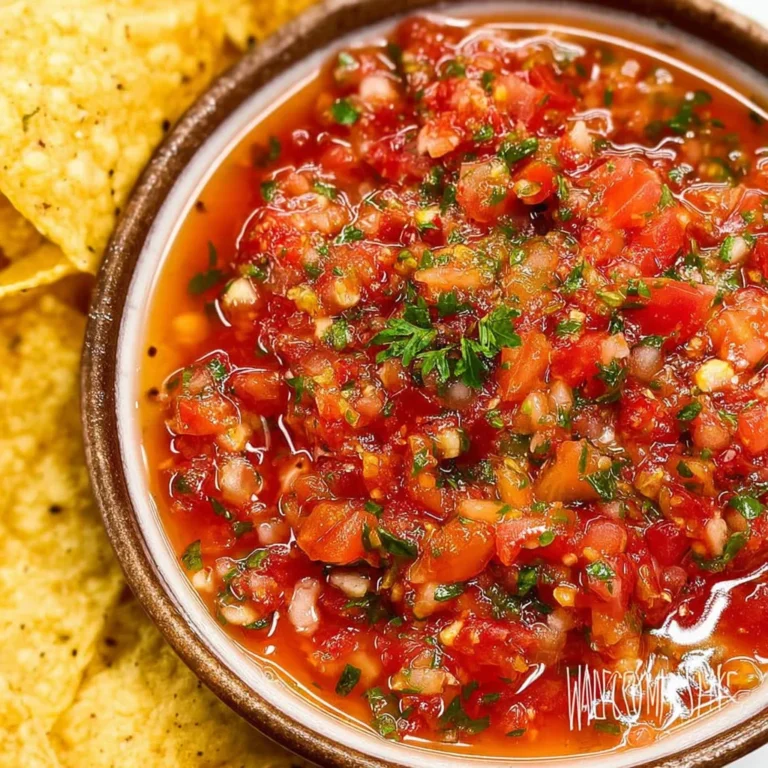
Fresh Salsa Recipe (5 Minutes)
Ingredients
- 4 medium Tomatoes ((halved))
- 1 small Onion ((cut into large chunks))
- 1 cup Fresh cilantro
- 1 medium Jalapeno ((seeds removed and coarsely chopped))
- 3 cloves Garlic ((coarsely chopped))
- 1 tbsp Lime juice
- 1/4 tsp Sea salt
Instructions
- Combine all the ingredients in a food processor.
- Pulse until the salsa reaches your desired consistency. (Check for salt a few pulses before your desired consistency, so that the homemade salsa doesn't get too mushy if you need to adjust salt and pulse again.)