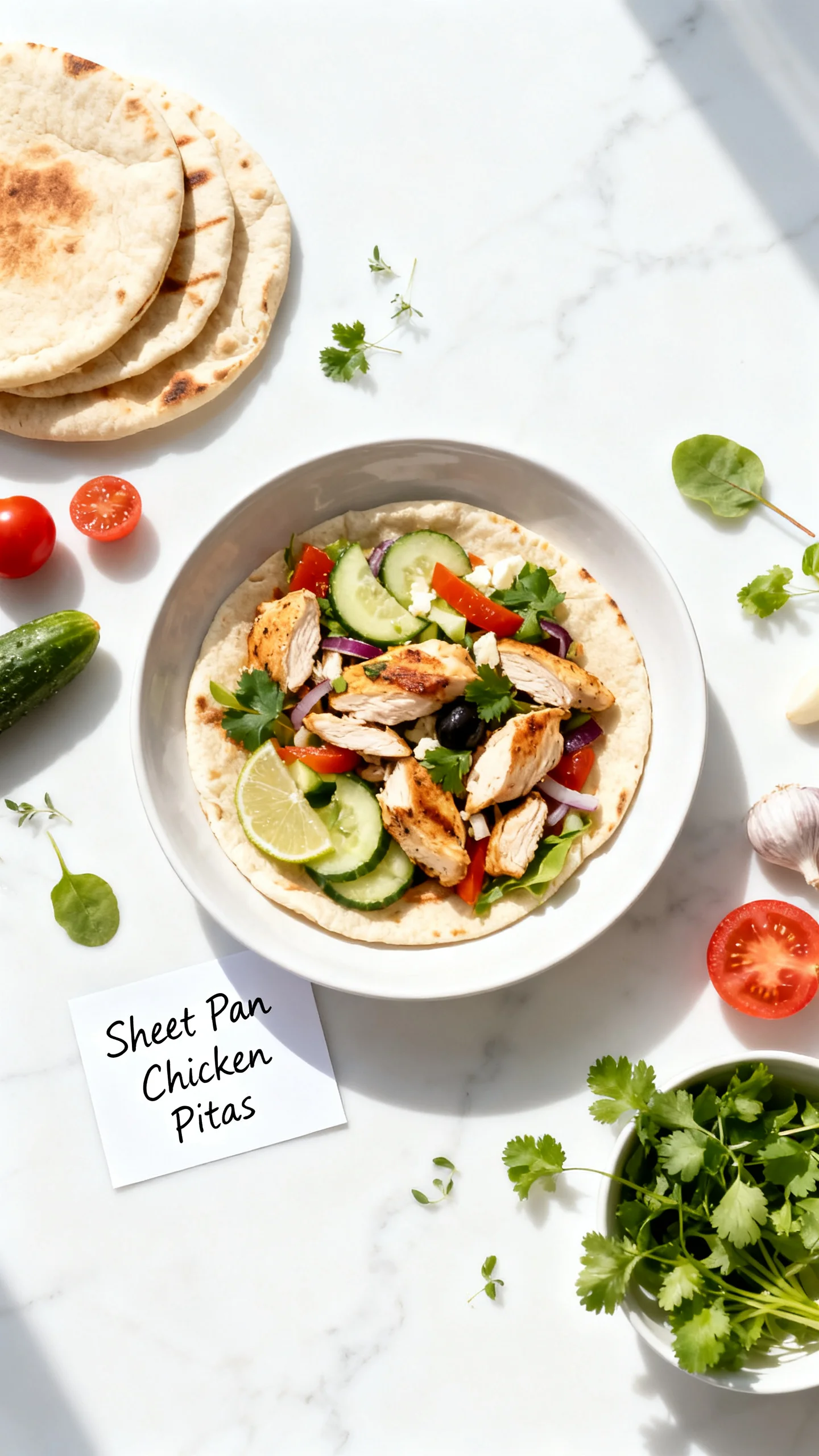
Sheet Pan Chicken Pitas With Herby Ranch Recipe
Introduction
Imagine pulling a sheet pan out of the oven, the aroma of roasted chicken and caramelized vegetables filling your kitchen. That’s the magic of these Sheet Pan Chicken Pitas, a recipe I’ve perfected to deliver a quick, satisfying dinner without the mess. After dozens of tests, I’ve found this method keeps the chicken incredibly juicy while the vegetables develop deep, sweet flavors.
Ingredients
For the best results, choose chicken breasts that are evenly thick so they cook uniformly. Fresh, colorful bell peppers and zucchini add a vibrant sweetness when roasted, while a creamy Greek yogurt ranch brings all the flavors together.
- 2 pieces chicken breasts, boneless, skinless (They roast quickly and slice beautifully for stuffing pitas.)
- 1 tablespoon olive oil (Helps the chicken and vegetables brown and keeps everything juicy.)
- to taste salt and pepper (Essential for seasoning and bringing out natural flavors.)
- 1 teaspoon garlic powder (Gives a warm, savory backbone without overpowering.)
- 1 teaspoon paprika (Adds color and a subtle smoky sweetness.)
- 1 cup mixed vegetables (bell peppers, onions, zucchini) (A colorful mix that roasts into tender, caramelized bites.)
- 1/2 cup Greek yogurt (The creamy base for the herby ranch, tangy and smooth.)
- 1 tablespoon ranch seasoning mix (All the classic ranch flavors concentrated for convenience.)
- to taste fresh herbs (parsley, dill) (Bright, aromatic, and they lift the whole dish.)
- 4 pieces pitas (Soft or slightly toasted to cradle the filling.)
Timing
| Prep Time | 10 minutes |
| Cook Time | 20 minutes |
| Total Time | 30 minutes |
Context: The one-sheet approach means everything finishes at the same time, making it a perfect, efficient choice for busy weeknights when you want a hearty meal without a long cleanup.
Step-by-Step Instructions
Step 1 - Preheat and Prepare the Sheet Pan
Preheat your oven to 400°F (200°C). While it heats, line a large sheet pan with parchment paper or aluminum foil for easy cleanup. Unlike stovetop cooking, roasting in the oven allows the heat to circulate evenly, ensuring both chicken and vegetables cook at the same rate.
Step 2 - Season the Chicken and Vegetables
Pat the chicken breasts dry with paper towels to help them brown. In a large bowl, toss the chicken and mixed vegetables (bell peppers, onions, zucchini) with olive oil, salt, pepper, garlic powder, and paprika. I’ve found that mixing the spices directly onto the chicken first ensures the best coverage.
(Pro tip: For extra flavor, let the seasoned chicken rest while the oven preheats - this allows the garlic and paprika to penetrate the meat.)
Step 3 - Arrange Everything on the Sheet Pan
Spread the seasoned chicken and vegetables in a single layer on the prepared pan. Avoid overcrowding; if everything is too close, they’ll steam instead of roast. Leave a little space around each piece of chicken to encourage caramelization.
Step 4 - Roast the Chicken and Vegetables
Roast for 18-22 minutes, flipping the chicken halfway through. The chicken is done when its internal temperature reaches 165°F (75°C) at the thickest part. The vegetables should be tender and lightly charred at the edges. Sautéing means cooking quickly in a small amount of fat over medium-high heat, but here, roasting caramelizes the natural sugars beautifully.
Step 5 - Prepare the Creamy Ranch Yogurt
While the chicken roasts, mix the Greek yogurt with the ranch seasoning mix in a small bowl. Stir in chopped fresh herbs like parsley and dill. This creates a tangy, herby sauce that perfectly offsets the smokiness of the roasted ingredients.
(Pro tip: This prevents lumps; whisk thoroughly to ensure a smooth, consistent texture.)
Step 6 - Rest and Slice the Chicken
Remove the sheet pan from the oven and let the chicken rest for 5 minutes. Resting is crucial - it redistributes the juices, so the meat stays tender and moist. Use a sharp knife to slice the chicken breasts into thin strips against the grain.
Step 7 - Warm the Pitas
For a soft, pliable texture, wrap the pitas in a clean kitchen towel and warm them in the cooling oven (or in a dry skillet over medium heat for 30 seconds per side). Avoid overheating, or they will become brittle.
Step 8 - Assemble the Sheet Pan Chicken Pitas
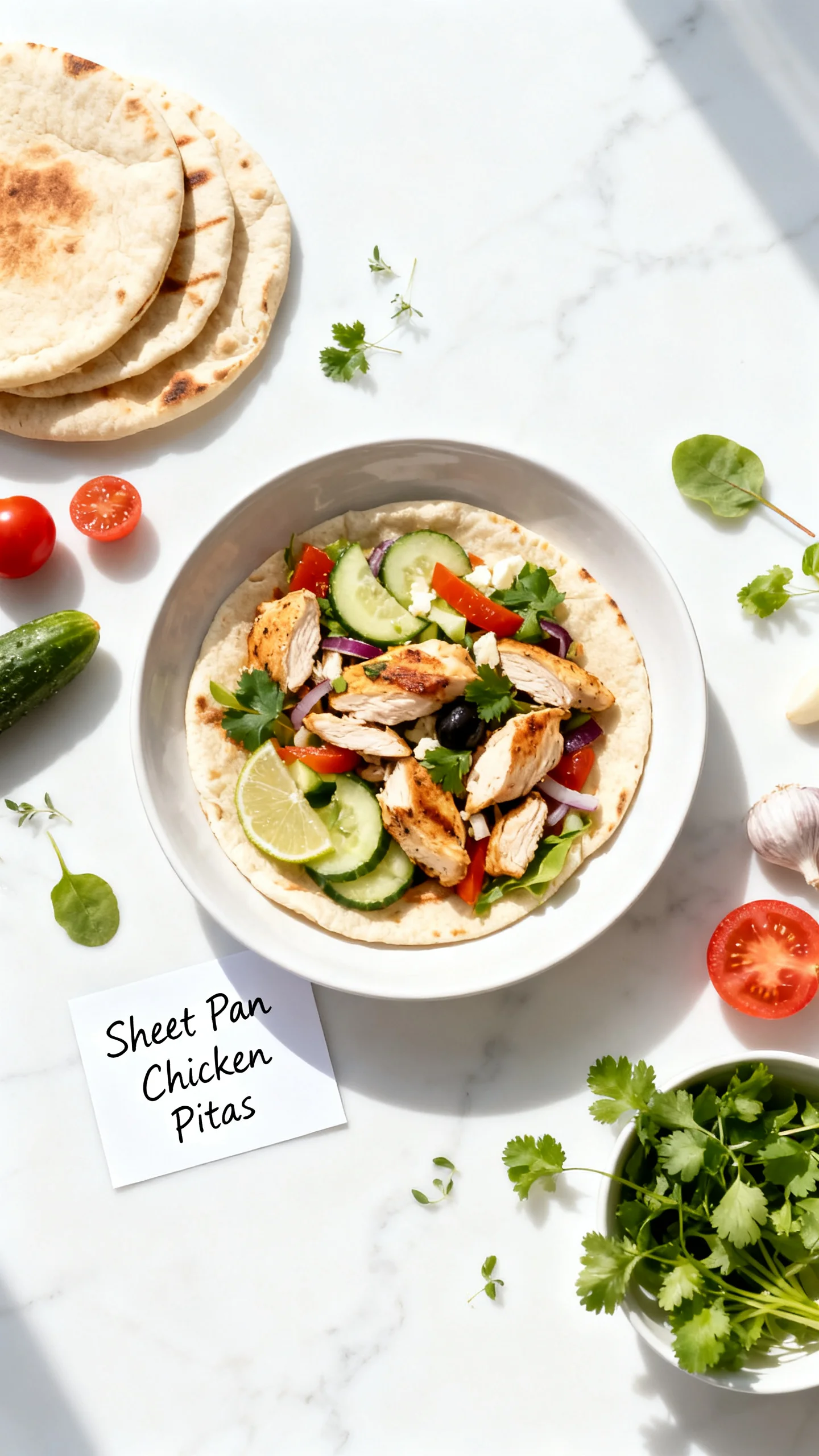
Open each pita to create a pocket. Spread a tablespoon of the ranch yogurt inside, then fill with slices of roasted chicken and a generous portion of caramelized vegetables. Drizzle more yogurt on top and garnish with fresh herbs. In my tests, this stacking order prevents soggy pitas while packing in flavor.
Step 9 - Serve and Enjoy
Serve these Sheet Pan Chicken Pitas immediately while the pitas are still warm and the filling is hot. For a balanced meal, pair them with a side salad or a simple cucumber-tomato salad. This recipe is also a great make-ahead option - store the roasted chicken, vegetables, and yogurt separately, then assemble when ready to eat.
This dish is high in protein from the chicken and Greek yogurt, plus rich in vitamin C from the bell peppers. For a lower-sodium option, use reduced-sodium ranch seasoning and skip added salt during preparation.
Healthier Alternatives
- Chicken Thighs - Swap boneless, skinless chicken breasts for thighs; they stay juicier and offer a richer flavor. Roast time remains similar, but check for an internal temperature of 175°F for ideal tenderness.
- Turkey Breast Cutlets - A leaner protein alternative with a milder taste. Cutlets cook faster, so reduce roasting time by 3-4 minutes.
- Low-Carb Wrap - Use large lettuce leaves or low-carb tortillas instead of pitas to cut carbohydrate content by about 20g per serving.
- Dairy-Free Yogurt - Replace Greek yogurt with a plain coconut or almond-based yogurt for the ranch sauce. Flavor stays tangy, but the sauce may be thinner; add a pinch of cornstarch to thicken.
- Gluten-Free Pitas - Choose certified gluten-free pitas made from rice or oat flour, which toast up soft and hold fillings well.
- Extra Vegetables - Add broccoli florets or cherry tomatoes to the sheet pan for more fiber without extra calories. Toss them with the same olive oil and spice blend used in Step 2.
- Low-Sodium Ranch Seasoning - Homemade mix: 1 tablespoon dried dill, 1 teaspoon dried parsley, 1 teaspoon garlic powder, and 1/2 teaspoon onion powder. Reduces sodium by roughly 300mg per serving.
Serving Suggestions
- Pair these Sheet Pan Chicken Pitas with a crisp cucumber-tomato salad dressed in lemon vinaigrette for a refreshing contrast.
- Serve alongside roasted sweet potato wedges seasoned with cumin and smoked paprika - a colorful, nutrient-dense side.
- For a brunch twist, cut pitas into wedges and serve the filling as a dip with the ranch yogurt on the side.
- Plate the pitas open-faced on a bed of arugula drizzled with balsamic glaze for an elevated dinner presentation.
- Beverage pairing: A chilled glass of Sauvignon Blanc or an iced mint tea complements the smoky roasted flavors.
- Pack the components separately for meal-prep lunches - store chicken and vegetables in one container, yogurt in another, and pitas in a dry bag. Assemble just before eating for peak texture.
This recipe works beautifully year-round; swap in seasonal vegetables like asparagus in spring or butternut squash in fall for variety.
Common Mistakes to Avoid
- Mistake: Overcrowding the sheet pan, so chicken steams instead of browning. Fix: In Step 3, arrange ingredients in a single layer with at least 1/2 inch between pieces. Use two pans if necessary.
- Mistake: Skipping the resting time for chicken, leading to dry meat that sheds juices into the pitas. Fix: Let roasted chicken rest for 5 full minutes after removing from the oven (Step 6).
- Mistake: Over-mixing the ranch yogurt, causing it to become watery. Fix: Stir the ranch seasoning into Greek yogurt gently; overmixing can break the dairy proteins and release liquid.
- Mistake: Overheating pitas, making them brittle and prone to cracking. Fix: Warm pitas in a preheated oven at 300°F for only 2 minutes or in a dry skillet over medium heat for 30 seconds per side.
- Mistake: Using wet vegetables that create steam in the oven. Fix: Pat vegetables dry after washing to remove excess moisture before seasoning in Step 2.
- Mistake: Ignoring uneven chicken thickness, causing parts to cook faster than others. Fix: Pound chicken breasts to an even 1/2-inch thickness before seasoning for uniform roasting.
- Mistake: Adding all ranch seasoning at once, creating salty spots. Fix: In Step 5, add half the mix, taste, then adjust - especially if using a store-bought blend with high sodium.
- Mistake: Serving immediately without checking internal temperature. Fix: Use an instant-read thermometer; chicken is safe at 165°F, and the USDA recommends this for all poultry.
Storing Tips
- Fridge: Store cooked chicken and vegetables in an airtight container for up to 5 days. Keep the ranch yogurt in a separate sealed container to maintain its creamy texture. Store below 40°F.
- Freezer: Combine roasted chicken and vegetables in a freezer-safe bag or container, removing as much air as possible. Freeze for up to 3 months. The yogurt sauce does not freeze well; prepare fresh when serving.
- Reheat: For best results, thaw frozen portions overnight in the fridge. Reheat in a 350°F oven for 8-10 minutes or in a skillet over medium heat with a splash of water to revive moisture. Avoid microwaving, which can make the chicken rubbery. Ensure the internal temperature reaches 165°F.
For weekly meal prep, I recommend roasting double the chicken and vegetables on Sunday. Store them portioned in the fridge, then assemble fresh pita pockets during busy weeknights. This approach reduces prep time to under 5 minutes per serving while keeping the results as crisp and flavorful as day one.
Conclusion
This sheet pan method saves you from juggling multiple pans, leaving you with juicy chicken, caramelized vegetables, and a creamy herby ranch to tie it all together. It’s a reliable, mess-free dinner that delivers big flavor with minimal effort. Try this recipe and let me know in the comments! For another quick weeknight meal, check out these 10 Minute Air Fryer Chicken Sausage and Veggies.
Frequently Asked Questions
Can I make Sheet Pan Chicken Pitas ahead of time?
Yes, you can prep the components up to 2 days ahead. Store the roasted chicken and vegetables in one airtight container and the creamy ranch yogurt in another, then assemble the pitas just before serving. This prevents the pitas from becoming soggy and keeps the toppings fresh.
What can I use instead of Greek yogurt for the ranch sauce?
You can substitute plain sour cream or a dairy-free coconut yogurt for a tangy, creamy base. Sour cream adds a richer flavor, while coconut yogurt keeps the sauce dairy-free and slightly thinner - if using coconut yogurt, stir in a pinch of cornstarch to restore thickness. I’ve tested both options, and sour cream provides a closer match to the original texture.
Why is my chicken dry when I make Sheet Pan Chicken Pitas?
Dry chicken usually results from overcooking or skipping the resting time in Step 6. Use an instant-read thermometer to pull the chicken at exactly 165°F, and let it rest for 5 minutes to redistribute the juices before slicing. According to USDA guidelines, this resting step is crucial for retaining moisture - unlike stovetop cooking, oven roasting can dry out thin edges quickly without a thermometer check.
PrintSheet Pan Chicken Pitas with Herby Ranch
Ingredients
- 2 pieces chicken breasts, boneless, skinless (They roast quickly and slice beautifully for stuffing pitas.)
- 1 tablespoon olive oil (Helps the chicken and vegetables brown and keeps everything juicy.)
- to taste salt and pepper (Essential for seasoning and bringing out natural flavors.)
- 1 teaspoon garlic powder (Gives a warm, savory backbone without overpowering.)
- 1 teaspoon paprika (Adds color and a subtle smoky sweetness.)
- 1 cup mixed vegetables (bell peppers, onions, zucchini) (A colorful mix that roasts into tender, caramelized bites.)
- 1/2 cup Greek yogurt (The creamy base for the herby ranch, tangy and smooth.)
- 1 tablespoon ranch seasoning mix (All the classic ranch flavors concentrated for convenience.)
- to taste fresh herbs (parsley, dill) (Bright, aromatic, and they lift the whole dish.)
- 4 pieces pitas (Soft or slightly toasted to cradle the filling.)
Instructions
- Preparation
- Cooking
- Serving
You Might Also Like
- Delicious Margherita Flatbread Pizza Recipe
- Tomato Chicken Recipe
- Copycat Longhorn Parmesan Crusted Chicken Recipe
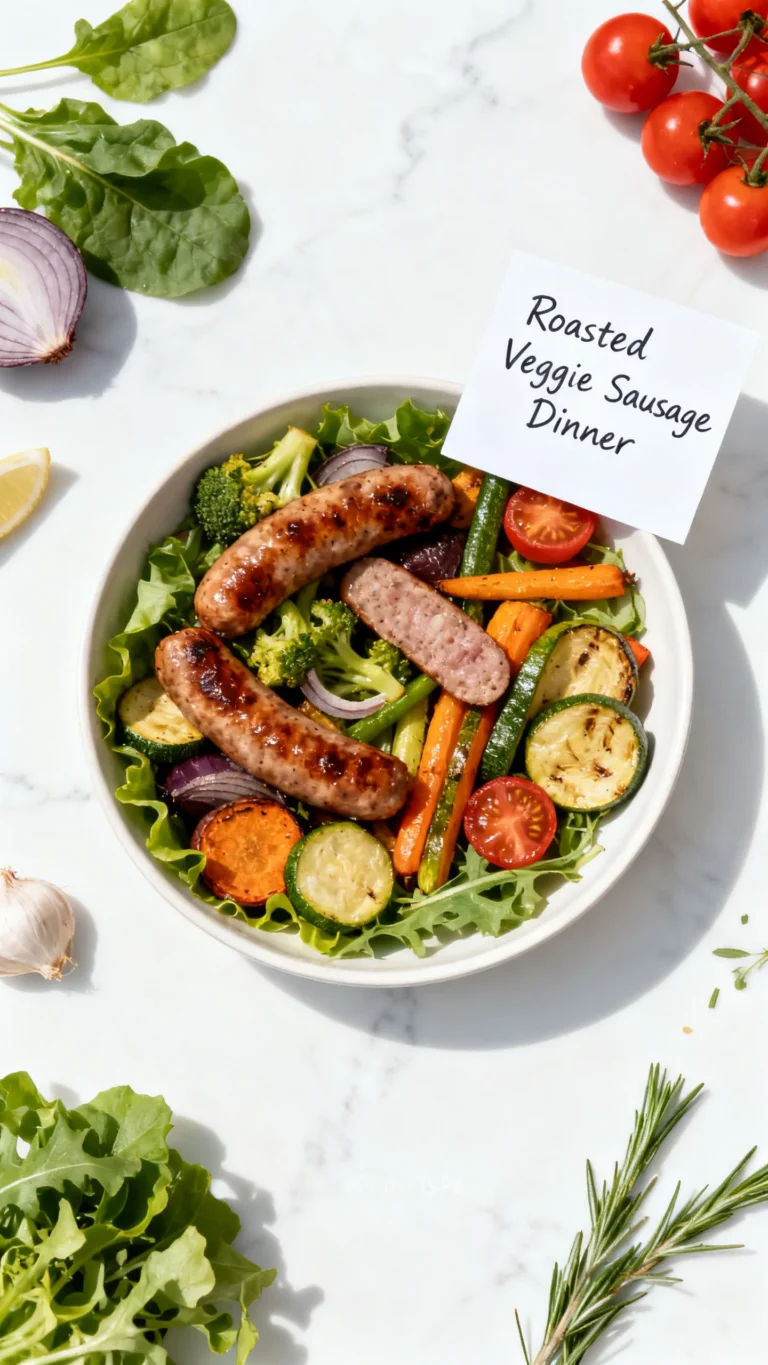
- Roasted Veggie and Chicken Sausage Sheet Pan Dinner Easy
Get our 10 best recipes - free
Join the Hurry Up Meals newsletter and we’ll email you our 10 most-loved recipes as a free PDF.
Free PDF + new recipes every week. Unsubscribe anytime.