


Introduction
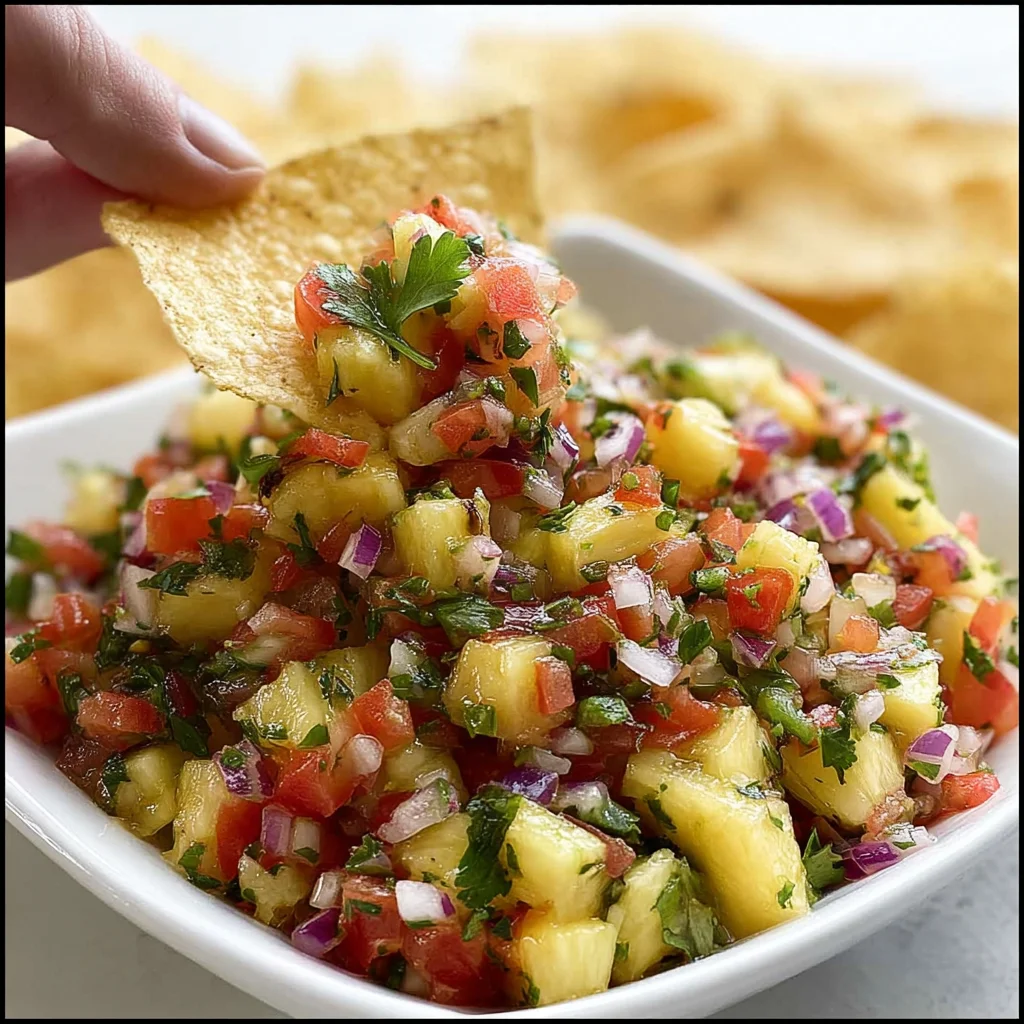
This vibrant Pineapple Salsa is a sweet, spicy, and tangy explosion of flavor that instantly elevates grilled fish, tacos, or simple tortilla chips. I’ve found that using perfectly ripe pineapple is the key to balancing the heat from the jalapeño and the acidity from fresh lime juice. After testing numerous batches, this recipe delivers the ideal texture and brightness every time, making it a go-to for effortless entertaining.
Ingredients
The magic of this fresh fruit salsa lies in the quality of its components. Using a ripe, sweet pineapple and the juice from fresh limes creates a flavor base that canned versions simply can’t match. The contrast between the juicy tomatoes and crisp red onion is essential for the perfect bite.
- 1 cup (181g) pineapple, finely diced (fresh or canned)
- 1 cup (180g) Roma tomatoes, finely diced (about 2 tomatoes)
- 2 tablespoons fresh cilantro, chopped
- ¼ cup (40g) red onion, finely diced
- 1 medium jalapeño pepper, seeded and diced (approximately ¼ cup)
- 4 tablespoons lime juice (about 2 limes, or use bottled lime juice)
- ¼ teaspoon kosher salt
Timing
| Prep Time | 15 minutes |
| Cook Time | 0 minutes |
| Total Time | 15 minutes |
Context: This no-cook recipe is about 50% faster than many cooked salsas, making it perfect for a last-minute appetizer or weeknight dinner topping. Unlike a cooked salsa that needs time to cool, this tropical salsa is ready to serve immediately, though letting it rest for 30 minutes allows the flavors to marry beautifully.
Step-by-Step Instructions
Step 1 — Prepare the Pineapple and Vegetables
Begin by finely dicing the fresh pineapple, Roma tomatoes, and red onion. Aim for a uniform, small dice (about ¼-inch pieces) to ensure every spoonful gets a bit of everything. For the jalapeño, slice it in half lengthwise and use a spoon to scrape out the seeds and white membrane to control the heat level before dicing. (Pro tip: Wearing gloves while handling the jalapeño prevents any spicy oils from irritating your skin later).
Step 2 — Chop the Fresh Herbs
Roughly chop the fresh cilantro leaves and tender stems. I’ve found that giving the cilantro a rough chop, rather than mincing it finely, helps it retain its bright, herbal flavor in the salsa and prevents it from becoming muddy.
Step 3 — Combine the Main Ingredients
In a medium mixing bowl, gently combine the diced pineapple, tomatoes, red onion, jalapeño, and chopped cilantro. Use a folding motion with a spatula to mix. This gentle technique, unlike vigorous stirring, helps maintain the distinct texture of each ingredient and prevents the tomatoes from becoming too watery.
Step 4 — Add the Lime Juice and Salt
Juice your limes until you have about four tablespoons of fresh lime juice. Pour the juice evenly over the salsa mixture. Sprinkle the kosher salt across the top. The acid from the lime juice not only adds tang but also slightly “cooks” or cures the onions, mellowing their sharp bite.
Step 5 — Mix and Taste for Balance
Gently toss everything together until the lime juice and salt are evenly distributed. Take a moment to taste the salsa. This is your chance to adjust the seasoning. If it needs more tang, add an extra squeeze of lime. For more heat, you can add a pinch of the reserved jalapeño seeds.
Step 6 — Rest and Serve
For the best flavor, let the pineapple salsa rest at room temperature for 15-30 minutes before serving. This resting period allows the salt to draw out the natural juices and lets the flavors fully integrate. Serve it with tortilla chips, over grilled chicken or fish, or as a topping for tacos.
Nutritional Information
| Calories | 25 |
| Protein | 0.5g |
| Carbohydrates | 6g |
| Fat | 0.1g |
| Fiber | 1g |
| Sodium | 75mg |
This fresh salsa is a low-calorie, fat-free source of Vitamin C and fiber. Estimates are based on a ¼-cup serving and typical ingredients; values may vary with specific produce ripeness and preparation.
Healthier Alternatives
- Swap Roma tomatoes for cherry tomatoes — They are often sweeter and less watery, providing a more concentrated flavor and firmer texture in your homemade salsa.
- Use mango instead of half the pineapple — This creates a tropical mango-pineapple salsa with a similar sweetness but a different vitamin profile.
- Replace jalapeño with a pinch of cayenne — This offers heat without the vegetal bite, perfect for a smoother, low-FODMAP version.
- Opt for green onion instead of red onion — Green onions provide a milder, fresher onion flavor and are easier to digest for some.
- Add a diced avocado just before serving — This introduces healthy fats and creaminess, turning the salsa into a more substantial topping or dip.
- Use a salt-free seasoning blend — Amplify flavor without sodium by using a citrus-herb blend, ideal for low-sodium diets.
Serving Suggestions
- As a vibrant topping for grilled fish like salmon or mahi-mahi, where the acidity cuts through the richness.
- Spooned over black bean or grilled chicken tacos for a sweet and spicy contrast.
- Alongside sturdy tortilla chips or plantain chips for dipping.
- As a fresh relish on burgers or grilled pork chops.
- Mixed into a quinoa or black rice bowl for a burst of flavor and color.
- Paired with a crisp, cold lager or a citrus-forward white wine like Sauvignon Blanc.
This versatile condiment shines in summer but can brighten up winter meals. I often double the batch to use half immediately and reserve the rest for meal prep throughout the week.
Common Mistakes to Avoid
- Mistake: Using under-ripe pineapple. Fix: Choose a pineapple that smells sweet at the stem and has a golden hue; tart pineapple will throw off the entire flavor balance.
- Mistake: Dicing ingredients too large. Fix: Aim for a consistent ¼-inch dice so each scoop contains every flavor, as emphasized in Step 1.
- Mistake: Not removing jalapeño seeds properly. Fix: Use a spoon to scrape out all the white membrane (the real source of heat) for controlled spice, not just the seeds.
- Mistake: Stirring the salsa aggressively. Fix: Gently fold the ingredients as noted in Step 3 to prevent the tomatoes from becoming mushy and watery.
- Mistake: Skipping the resting time. Fix: Let the salsa sit for at least 15 minutes. This allows the salt and lime juice to meld the flavors and soften the raw onion bite.
- Mistake: Adding salt at the end. Fix: Always add salt with the lime juice (Step 4) so it dissolves evenly and properly seasons all components.
Storing Tips
- Fridge: Store in an airtight container for up to 5 days. The acidity from the lime juice acts as a natural preservative, but the texture of the tomatoes will soften after day 3.
- Freezer: Freezing is not recommended for this fresh pineapple salsa, as the high water content in the vegetables and fruit will cause significant texture loss and sogginess upon thawing.
- Meal Prep: For best results, prep and combine all dry ingredients (diced pineapple, tomatoes, onion, jalapeño, cilantro) up to 1 day ahead. Add the lime juice and salt just before serving to maintain optimal texture and brightness.
Always store your salsa below 40°F. In my tests, the flavor often peaks on the second day, making it a fantastic make-ahead option for parties or weekly lunches.
Conclusion
This easy pineapple salsa recipe is your secret weapon for adding a burst of sunshine to any meal, from simple chips to elaborate tacos. Its perfect balance of sweet, spicy, and tangy flavors is a crowd-pleaser that comes together in minutes. Try this recipe and share your favorite way to serve it in the comments! For more tropical flavor inspiration, explore our Jamaican Inspired Jerk Lentils Recipe or Caribbean Jerk Shrimp Bowls Recipe.
Frequently Asked Questions
How long does pineapple salsa last in the fridge?
Properly stored in an airtight container, this fresh salsa will last for 3 to 5 days in the refrigerator. The lime juice acts as a natural preservative, but the texture of the tomatoes and pineapple will gradually soften. For the best quality, I recommend consuming it within the first 3 days.
What can I use if I don’t have fresh cilantro?
If you dislike cilantro or don’t have any, fresh mint or flat-leaf parsley are excellent substitutes. Mint will add a bright, sweet note that complements the pineapple, while parsley offers a clean, herbal flavor without the polarizing taste of cilantro. I’ve tested both, and a 1:1 swap works perfectly.
Why is my pineapple salsa too watery?
A watery salsa is usually caused by the tomatoes releasing too much liquid. To fix it, seed your Roma tomatoes before dicing by scooping out the gel and seeds with a spoon. As a preventative measure, you can also gently toss the diced tomatoes with a pinch of salt and let them drain in a colander for 10 minutes before adding them to the mix.
Print
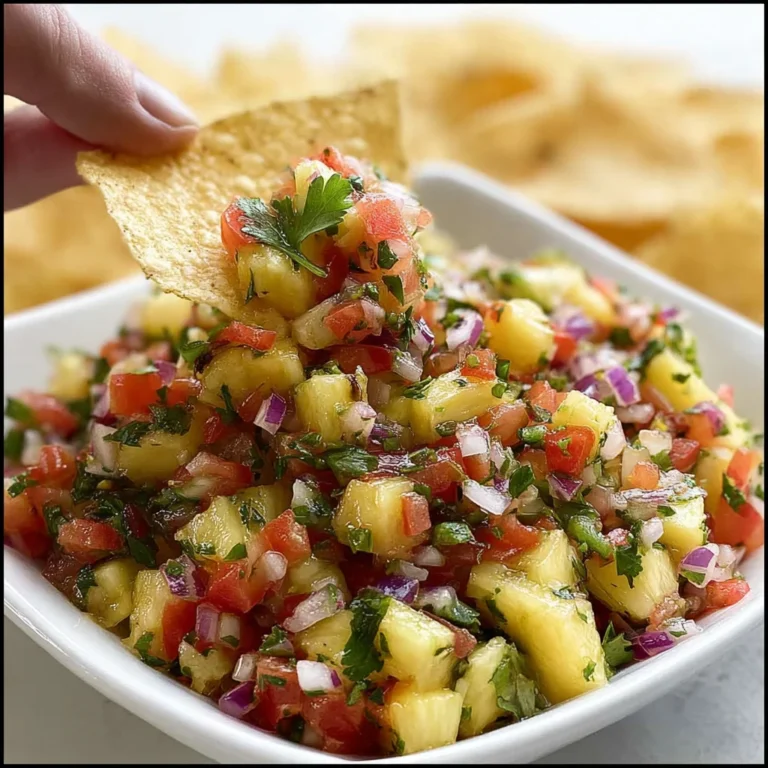
Pineapple Salsa
Ingredients
- 1 cup (181g) pineapple, (fresh or canned, finely diced)
- 1 cup (180g) Roma tomatoes, (about 2 tomatoes, finely diced)
- 2 tablespoons fresh cilantro, (chopped)
- ¼ cup (40g) red onion, (finely diced)
- 1 medium jalapeño pepper, (seeded and diced (approximately ¼ cup))
- 4 tablespoons lime juice, (about 2 limes, or use bottled lime juice)
- ¼ teaspoon kosher salt
Instructions
- In a medium bowl, combine pineapple, tomatoes, cilantro, red onion, jalapeño, lime juice, and salt. Chill until ready to serve.