


Introduction
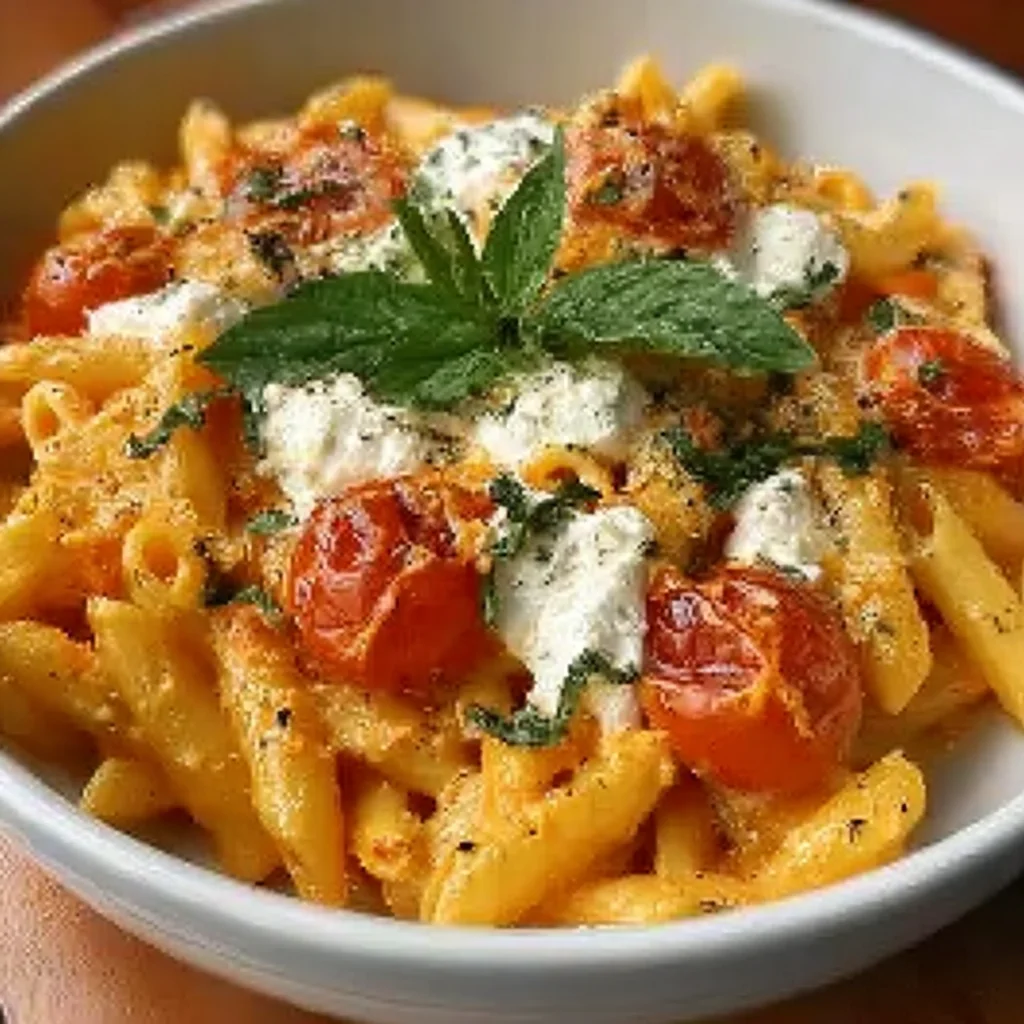
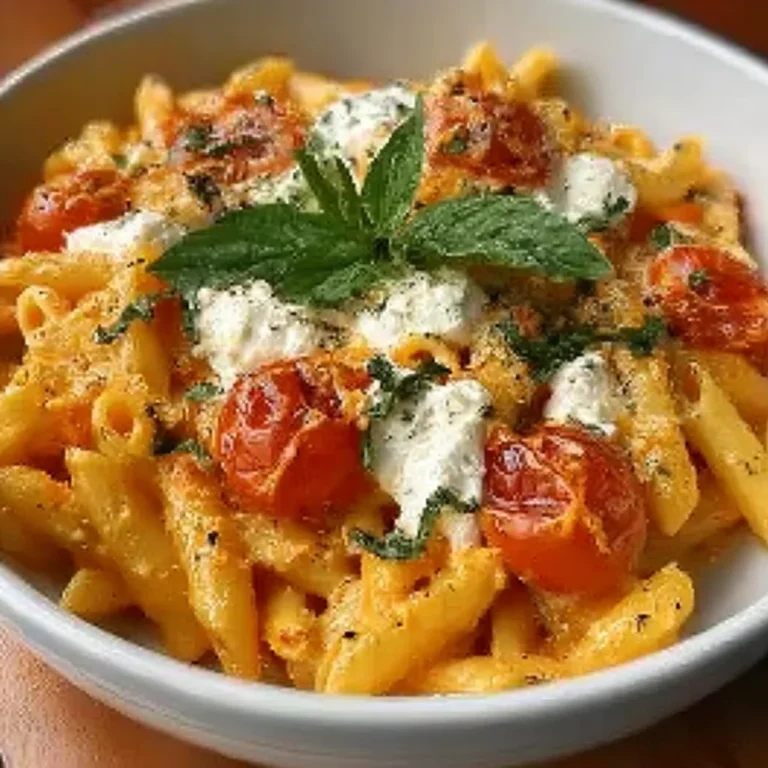
Creamy, bright, and ready in about 30 minutes, this Tomato Ricotta Pasta is a weeknight hero. The simple sauce, where rich ricotta cheese melts into juicy tomatoes and garlic, clings perfectly to every noodle. After testing numerous variations, I’ve found that using whole milk ricotta creates the most luxuriously creamy texture without heaviness. It’s a dish that feels indulgent yet comes together with minimal effort.
Ingredients
The beauty of this recipe lies in its simplicity, so using quality core ingredients makes a noticeable difference. Fresh, ripe tomatoes will give the brightest flavor, but a good can of diced tomatoes is a fantastic pantry-friendly swap that I use often.
- Pasta: 12 ounces (340g) of your favorite pasta (spaghetti, penne, fusilli, or rigatoni all work well)
- Olive Oil: 2 tablespoons extra virgin olive oil
- Garlic: 3 cloves garlic, minced
- Tomatoes: 4 medium ripe tomatoes, diced (or 1 can (14.5 ounces) of diced tomatoes)
- Ricotta Cheese: 1 cup whole milk ricotta cheese
- Fresh Basil: ¼ cup fresh basil, chopped (or 1 tablespoon dried basil)
- Parmesan Cheese: ¼ cup freshly grated Parmesan cheese, plus extra for serving
- Red Pepper Flakes: ¼ teaspoon (optional, for a little heat)
- Salt and Pepper: To taste
- Pine Nuts or Walnuts (Optional): ¼ cup for added crunch
Timing
| Prep Time | 10 minutes |
| Cook Time | 20 minutes |
| Total Time | 30 minutes |
Context: This streamlined Tomato Ricotta Pasta is about 25% faster than many traditional cream sauce recipes because the sauce comes together in the time it takes to boil the pasta. It’s the perfect timeline for a busy weeknight, and the entire process can be managed in one pot and one pan for easy cleanup.
Step-by-Step Instructions
Step 1 — Boil the Pasta
Bring a large pot of well-salted water to a rolling boil. Add your pasta and cook according to package directions for al dente, which means the pasta is tender but still firm to the bite. Reserve about 1 cup of the starchy pasta water before draining. (Pro tip: This starchy water is key for adjusting the sauce consistency later).
Step 2 — Sauté the Aromatics
While the pasta cooks, heat the olive oil in a large skillet or Dutch oven over medium heat. Add the minced garlic and optional red pepper flakes, sautéing for about 1 minute until fragrant. Sautéing means cooking quickly in a small amount of fat over medium-high heat, which toasts the garlic without burning it.
Step 3 — Cook the Tomatoes
Add the diced tomatoes to the skillet with a pinch of salt. Cook, stirring occasionally, for 8-10 minutes until the tomatoes have broken down and released their juices, creating a rustic sauce base. You’ll notice the color deepen and the mixture thicken slightly.
Step 4 — Combine Cheese and Sauce
Reduce the heat to low. Add the ricotta and grated Parmesan to the tomato mixture, stirring vigorously until the cheeses melt into a smooth, creamy, and cohesive pink sauce. If the sauce seems too thick, stir in a splash of the reserved pasta water to loosen it.
Step 5 — Finish the Pasta Dish
Add the drained pasta directly to the skillet with the sauce. Using tongs, toss everything together until each strand or piece is thoroughly coated. Add more pasta water a tablespoon at a time if needed to achieve a silky sauce that clings to the pasta. Stir in most of the chopped fresh basil.
Step 6 — Garnish and Serve
Taste and season with additional salt and black pepper as needed. Divide the creamy pasta among bowls. Top with the remaining fresh basil, extra grated Parmesan, and a drizzle of olive oil. For added texture, toast the optional pine nuts or walnuts in a dry pan until golden and sprinkle them on top just before serving.
Nutritional Information
| Calories | ~450 |
| Protein | 18g |
| Carbohydrates | 55g |
| Fat | 18g |
| Fiber | 4g |
| Sodium | ~320mg |
This creamy tomato ricotta pasta is a good source of protein and calcium, with a notable amount of Vitamin C from fresh tomatoes. Estimates are based on typical ingredients and a single serving size; values may vary depending on specific brands and modifications.
Healthier Alternatives
- Whole Wheat or Legume Pasta — Boosts fiber and protein for a more filling meal with a nuttier flavor.
- Low-Fat or Skim Ricotta — Reduces fat and calories while maintaining the creamy texture, though the sauce may be slightly less rich.
- Dairy-Free Ricotta — Use a cashew or almond-based ricotta for a vegan pasta dish that’s still luxuriously creamy.
- Add Leafy Greens — Stir in a few handfuls of fresh spinach or arugula in the last minute of cooking for added vitamins and color.
- Reduce Sodium — Use no-salt-added canned tomatoes and reduce or omit added salt for a heart-healthy version.
- Increase Protein — Add a can of drained white beans or shredded rotisserie chicken to the sauce for a more substantial main course.
Serving Suggestions
- Pair with a simple arugula salad dressed with lemon juice and olive oil to cut through the richness.
- For a complete Italian feast, start with a classic Caprese salad.
- Serve family-style in a large, shallow bowl for a rustic, inviting presentation.
- A crisp white wine like Pinot Grigio or Sauvignon Blanc complements the bright tomato and creamy cheese flavors perfectly.
- This dish is ideal for casual weeknight dinners, but also elegant enough for a relaxed weekend gathering with friends.
- In the summer, garnish with extra fresh basil and serve with grilled vegetables on the side.
This recipe is wonderfully adaptable for meal prep; simply store the sauce and pasta separately and combine when ready to eat for the best texture.
Common Mistakes to Avoid
- Mistake: Skipping the pasta water. Fix: The starchy water is essential for emulsifying the cheese and tomato into a silky sauce that clings to the noodles. Always reserve at least one cup.
- Mistake: Using cold ricotta straight from the fridge. Fix: Let the ricotta come to room temperature for 15 minutes before adding it to the pan. This prevents it from seizing and helps it blend smoothly into the warm tomatoes.
- Mistake: Overcooking the garlic in Step 2. Fix: Sauté the garlic for only about 60 seconds until just fragrant. Burnt garlic will make the entire sauce taste bitter.
- Mistake: Not cooking the tomatoes long enough. Fix: In Step 3, give the tomatoes a full 8-10 minutes to break down and release their juices. This concentrates their flavor and creates the proper base for your sauce.
- Mistake: Adding all the pasta water at once. Fix: Add the reserved water a tablespoon or two at a time while tossing. You can always add more, but you can’t take it out.
- Mistake: Using pre-grated Parmesan. Fix: Freshly grated Parmesan melts much better and doesn’t contain anti-caking agents, resulting in a smoother, more flavorful sauce.
Storing Tips
- Fridge: Store leftover pasta in an airtight container for up to 5 days. The sauce may thicken; revive it with a splash of water or broth when reheating.
- Freezer: Freeze the sauce (without pasta) for up to 3 months in a freezer-safe container. Thaw overnight in the fridge. Note that the dairy texture may change slightly, but flavor remains excellent.
- Reheat: Gently reheat on the stovetop over medium-low heat with a tablespoon of water or milk, stirring frequently until heated to 165°F. Avoid the microwave, which can make the ricotta grainy.
For best meal-prep results, cook a double batch of the tomato ricotta sauce and freeze half. You’ll have a delicious homemade dinner ready in the time it takes to boil fresh pasta.
Conclusion
This Tomato Ricotta Pasta is the ultimate proof that a truly satisfying dinner doesn’t require hours in the kitchen. Its creamy, comforting texture and bright tomato flavor make it a family favorite you’ll return to again and again. For another simple tomato-based dish, try this Parmesan Baked Tomatoes Recipe. Give this recipe a try and share your experience in the comments!
Frequently Asked Questions
How many servings does this Tomato Ricotta Pasta recipe make?
This recipe yields 4 generous main-course servings. According to standard pasta portions, 12 ounces of dry pasta typically serves 4 people. For heartier appetites or to serve 6, you can easily double the sauce ingredients while keeping the pasta amount the same, creating a saucier dish that stretches further.
Can I use cottage cheese instead of ricotta in this pasta?
Yes, small-curd, full-fat cottage cheese is a good substitute for ricotta. For the smoothest sauce, blend the cottage cheese until creamy before adding it to the pan. The flavor will be slightly tangier, and the texture may be a bit grainier, but it provides a similar protein-rich creaminess. I’ve tested this swap and find it works best when you don’t have ricotta on hand.
Why did my ricotta sauce turn out grainy or curdled?
Graininess usually occurs from overheating or adding cold ricotta to a very hot pan. The proteins in the cheese seize and separate. To fix it, immediately remove the pan from heat and vigorously whisk in a splash of the reserved pasta water or a tablespoon of olive oil. To prevent this, always let your ricotta come to room temperature and add it to the sauce off the direct heat, as outlined in Step 4.
Print
Tomato Ricotta Pasta Recipe
Ingredients
- Pasta: 12 ounces (340g) of your favorite pasta (spaghetti, penne, fusilli, or rigatoni all work well)
- Olive Oil: 2 tablespoons extra virgin olive oil
- Garlic: 3 cloves garlic, minced
- Tomatoes: 4 medium ripe tomatoes, diced (or 1 can (14.5 ounces) of diced tomatoes)
- Ricotta Cheese: 1 cup whole milk ricotta cheese
- Fresh Basil: ¼ cup fresh basil, chopped (or 1 tablespoon dried basil)
- Parmesan Cheese: ¼ cup freshly grated Parmesan cheese, plus extra for serving
- Red Pepper Flakes: ¼ teaspoon (optional, for a little heat)
- Salt and Pepper: To taste
- Pine Nuts or Walnuts (Optional): ¼ cup for added crunch
Instructions
- 1. Cook the Pasta
- 2. Prepare the Tomato Sauce
- 3. Combine the Ricotta Cheese and Pasta
- 4. Finish and Serve