


Introduction
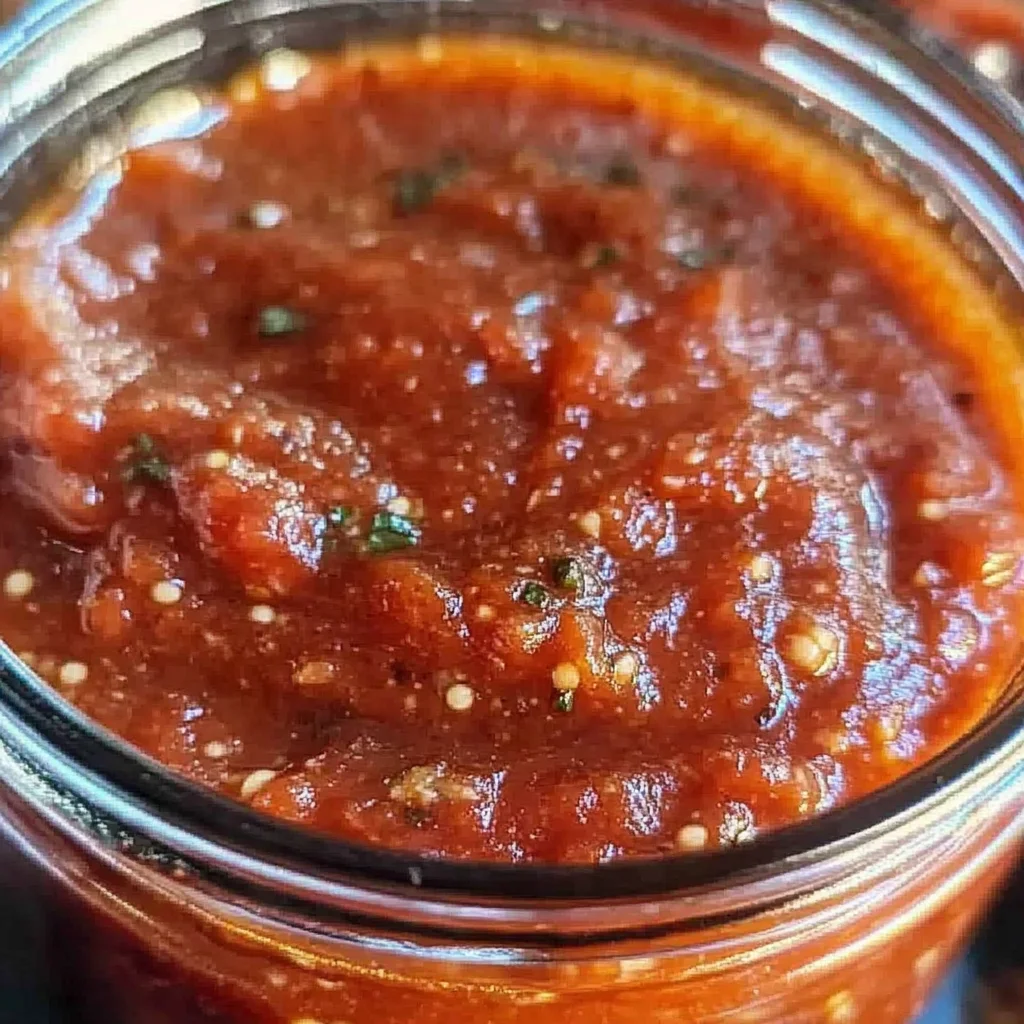
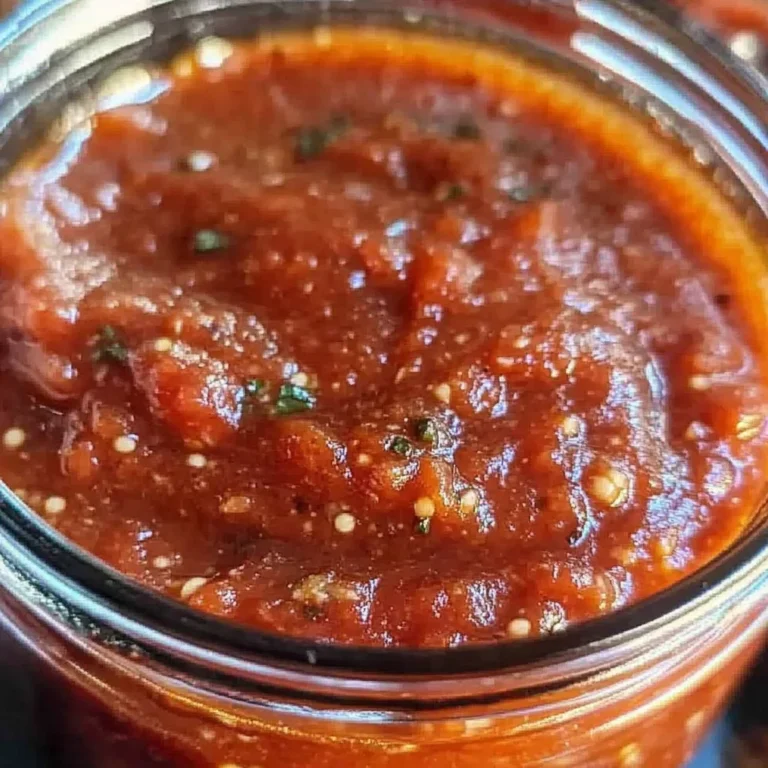
Capture the deep, sweet essence of summer all year long with this Homemade Roasted Tomato Spaghetti Sauce Canning Recipe. The roasting process caramelizes the tomatoes and vegetables, creating a rich, complex flavor far superior to store-bought sauces. After years of testing, I’ve perfected this method to ensure a safe, shelf-stable result that delivers the taste of a garden-fresh harvest in every jar.
Ingredients
The magic of this sauce lies in the quality of your produce. Using ripe, in-season tomatoes and fresh aromatics will yield the most vibrant and flavorful results for your canning project.
- 14 cups Tomatoes: chopped with a food processor (measure after chopping with the food processor)
- 1 Onion: Chopped with a food processor
- 3 – 4 Bell Peppers: Chopped with a food processor.
- 3 tsp Worcestershire Sauce
- 2 tsp Dried Parsley Flakes
- 4 tsp Dried Oregano
- 2 tsp Dried Basil Leaves
- 2 tsp Dried Italian Seasoning
- 4 tsp Canning Salt (do not substitute with table salt)
- 3 tsp Minced Garlic
- Lemon Juice: 1 Tablespoon for each jar (this is a critical safety step for water bath canning)
Timing
| Prep Time | 45 minutes |
| Cook Time | 2 hours 30 minutes |
| Total Time | 3 hours 15 minutes |
Context: While the total time is a commitment, the active prep is concentrated. The roasting does most of the work, developing flavor unattended. This recipe is a fantastic weekend project that yields a pantry stocked with ready-to-use sauce, making future dinners incredibly fast.
Step-by-Step Instructions
Step 1 — Prepare and Roast the Vegetables
Preheat your oven to 425°F (220°C). Using a food processor, finely chop the tomatoes, onion, and bell peppers. Spread the chopped vegetables in a single layer on one or two large, rimmed baking sheets. Roasting, unlike boiling, concentrates flavor by caramelizing the natural sugars. Roast for 45-60 minutes, stirring once halfway, until the edges are deeply browned and the liquid has reduced significantly.
Step 2 — Simmer and Season the Sauce
Transfer the roasted vegetables to a large, heavy-bottomed stockpot. Add the Worcestershire sauce, dried parsley, oregano, basil, Italian seasoning, canning salt, and minced garlic. Bring the mixture to a boil over medium-high heat, then reduce to a steady simmer. Let it cook uncovered for 60-90 minutes, stirring occasionally, until the sauce has thickened to your desired consistency. (Pro tip: The sauce will thicken more upon cooling, so aim for slightly looser than final preference).
Step 3 — Prepare Jars and Canner
While the sauce simmers, wash your canning jars, lids, and rings in hot, soapy water. Keep the jars hot by submerging them in your simmering water bath canner or a separate large pot of hot water. This thermal shock prevention is a key safety step. Fill the canner with enough water to cover the jars by at least 1 inch and begin heating it to a simmer.
Step 4 — Add Acid and Fill Jars
Place 1 tablespoon of bottled lemon juice into each clean, hot pint jar. This non-negotiable step ensures the sauce is safely acidic for water bath processing. Carefully ladle the hot sauce into the jars, leaving a ½-inch headspace. Use a bubble remover or a non-metallic utensil to release any trapped air bubbles by running it along the inside of the jar.
Step 5 — Wipe Rims and Apply Lids
Wipe the jar rims meticulously with a clean, damp cloth to remove any sauce residue, which can prevent a proper seal. Place a prepared lid on each jar, then screw on a band until it is fingertip-tight—just snug, not forced. This allows air to escape during processing.
Step 6 — Process in Water Bath Canner
Using a jar lifter, carefully lower the filled jars into the simmering water bath canner, ensuring they are not touching each other or the pot. The water must cover the jars by 1-2 inches. Bring to a full, rolling boil, put the lid on the canner, and start your timer. Process pint jars for 35 minutes, adjusting for altitude if necessary.
Step 7 — Cool and Test Seals
After processing, turn off the heat and let the canner sit for 5 minutes. Then, remove the jars and place them on a towel-lined counter, undisturbed, for 12-24 hours. You should hear the satisfying “ping” of lids sealing as they cool. Once completely cool, test each seal by pressing the center of the lid; it should not flex up or down. Store any unsealed jars in the refrigerator and use them first.
Nutritional Information
| Calories | 85 |
| Protein | 3g |
| Carbohydrates | 18g |
| Fat | 1g |
| Fiber | 4g |
| Sodium | 480mg |
This homemade canned spaghetti sauce is a good source of vitamins A and C from the roasted tomatoes and peppers, and provides a solid amount of fiber. The sodium content is based on the specified canning salt; for a lower-sodium option, see the alternatives below. Estimates are per ½-cup serving and may vary based on specific produce and ingredient brands.
Healthier Alternatives
- Low-Sodium Version — Reduce or omit the canning salt and boost flavor with 2 tablespoons of nutritional yeast or a splash of balsamic vinegar after opening a jar.
- Extra Protein Boost — Brown 1 pound of lean ground turkey or plant-based crumbles and stir them into a heated jar of sauce for a complete meal.
- Hidden Veggies — Add 2 cups of finely grated zucchini or carrots to the roasting pan; they’ll blend seamlessly into the rich sauce.
- Herb-Forward & Salt-Free — Double the fresh basil and oregano, skip the dried Italian seasoning, and use a salt-free herb blend for a bright, garden-fresh taste.
- Oil-Free Roasting — For a whole-food, plant-based version, roast the vegetables on parchment paper without oil; the natural sugars will still caramelize beautifully.
- Spice It Up — Add 1 teaspoon of red pepper flakes to the simmering pot for a spicy arrabbiata-style sauce.
Serving Suggestions
- Toss with whole-wheat or legume-based pasta for a fiber-rich dinner.
- Use as a flavorful base for homemade pizza or as a dipping sauce for mozzarella sticks.
- Layer it in a classic lasagna or baked ziti for a comforting casserole.
- Spoon over grilled chicken breasts or meatballs for an easy protein-packed meal.
- Serve as a rustic soup starter by thinning a jar with vegetable broth.
- Pair with a bold red wine like Chianti or a sparkling water with lemon for a non-alcoholic option.
This versatile sauce is your secret weapon for quick weeknight meals. Having these jars on hand means a from-scratch dinner is just minutes away, any season of the year.
Common Mistakes to Avoid
- Mistake: Skipping the lemon juice. Fix: This is a critical safety step for water bath canning of this homemade roasted tomato sauce. The acid ensures a pH safe for processing; always add 1 tablespoon of bottled lemon juice per pint jar.
- Mistake: Over-thickening the sauce before canning. Fix: Remember, the sauce thickens as it cools. In Step 2, simmer only until it coats the back of a spoon; a saucier consistency now prevents a too-dense result later.
- Mistake: Using table salt instead of canning salt. Fix: Canning salt is pure sodium chloride without anti-caking agents, which can cloud your beautiful sauce. It’s a small detail with a big visual impact.
- Mistake: Not wiping jar rims thoroughly. Fix: Any tiny bit of sauce or oil on the rim can prevent a vacuum seal. Use a clean, damp cloth and wipe each rim in one direction before applying the lid.
- Mistake: Tightening jar bands too much before processing. Fix: Screw bands on only until “fingertip-tight.” Over-tightening can prevent air from escaping during processing, leading to seal failure.
- Mistake: Crowding the roasting pan. Fix: If the chopped vegetables are piled too high, they’ll steam instead of roast. Use two pans if needed to ensure a single layer for proper caramelization.
Storing Tips
- Fridge: Store any opened or unsealed jar in the refrigerator for up to 7 days. Always use a clean spoon to prevent contamination.
- Freezer: For long-term storage without canning, cool the sauce completely and freeze in airtight containers or freezer bags for up to 10 months. Leave 1-inch headspace for expansion. Thaw overnight in the fridge.
- Reheat: Gently warm the sauce in a saucepan over medium-low heat, stirring occasionally, until it reaches 165°F. For best texture, avoid boiling vigorously after thawing.
Properly processed jars of this homemade spaghetti sauce are shelf-stable for 12-18 months. Store them in a cool, dark place. Once opened, treat as a refrigerated product. This recipe is a perfect example of a meal-prep project that pays off with countless easy dinners throughout the year.
Conclusion
This Homemade Roasted Tomato Spaghetti Sauce Canning Recipe transforms a simple pantry staple into a gourmet experience, with the deep, caramelized flavor of roasted vegetables shining through. The effort you put in today will reward you with countless effortless, delicious meals for months to come. Try this recipe and let me know how it turned out in the comments! For another great way to preserve your harvest, check out our guide on Homemade Roasted Tomato Spaghetti Sauce Canning Recipe.
Frequently Asked Questions
How many servings does this canned spaghetti sauce recipe make?
This recipe yields approximately 6 to 7 pint jars. According to standard serving sizes, one pint jar provides about 4 servings of sauce for pasta, meaning the entire batch makes roughly 24 to 28 servings. This makes it an incredibly efficient project for stocking your pantry with ready-to-use meals.
Can I use fresh herbs instead of dried in this canned tomato sauce?
Yes, but you must adjust the quantities and method. Because fresh herbs are less potent, use three times the amount of dried (e.g., 1 tablespoon fresh basil instead of 1 teaspoon dried). For the best flavor and safety, add finely chopped fresh herbs only during the final 10 minutes of simmering in Step 2, as their delicate oils can become bitter with prolonged cooking.
Why did my canned tomato sauce separate in the jar after processing?
Separation is natural and does not indicate spoilage. It occurs because the solid tomato particles settle while the liquid serum rises. This is common in homemade sauces without commercial thickeners or emulsifiers. Simply shake the jar gently before opening, or stir the sauce well when reheating to recombine. Ensuring a good simmer in Step 2 helps minimize this.
Print
Homemade Roasted Tomato Spaghetti Sauce Canning Recipe
Ingredients
- 14 cups Tomatoes: chopped with a food processor (measure after chopping with the food processor)
- 1 Onion: Chopped with a food processor
- 3 – 4 Bell Peppers: Chopped with a food processor.
- 3 tsp Worcestershire Sauce
- 2 tsp Dried Parsley Flakes
- 4 tsp Dried Oregano
- 2 tsp Dried Basil Leaves
- 2 tsp Dried Italian Seasoning
- 4 tsp Canning Salt
- 3 tsp Minced Garlic
- Lemon Juice: 1 Tablespoon for each jar
Instructions
- 1
- First, rinse the fresh tomatoes and peppers
- 2
- Cut up the tomatoes and peppers and place them in a baking pan and broil or roast in the oven
- As an estimate about 10 to 15 minutes under the broiler
- Or roast at 400 for 20 minutes
- Check on them frequently.
- 3
- Chop up the tomatoes, peppers, and onion with a food processor and add to a large pot or roasting pan
- 4
- Add the remaining ingredients
- 5
- Bring to a boil and then simmer, until desired thickness
- 6
- Ladle the sauce into canning jars
- 7
- Add 1 Tablespoon of Lemon Juice to each pint jar (2 Tablespoons for Quarts)
- 7
- Wipe rims, remove air bubbles and add lids.
- 8
- Place the jars in a water bath canner and process at a rolling boil for 20 minutes for pints, 25 minutes for quarts.
- 9
- Remove the hot jars with a jar lifter and set them on the counter
- Do not disturb for 24 hours.