


Introduction
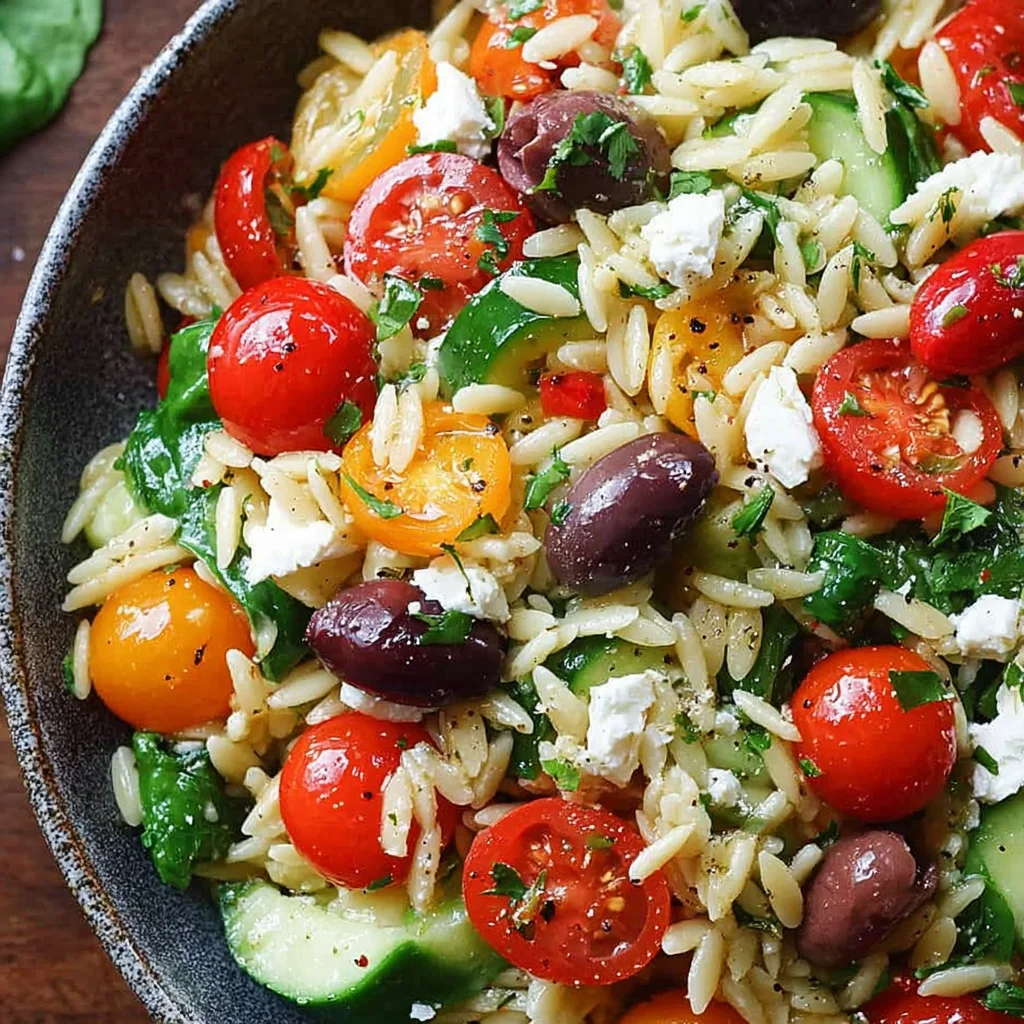
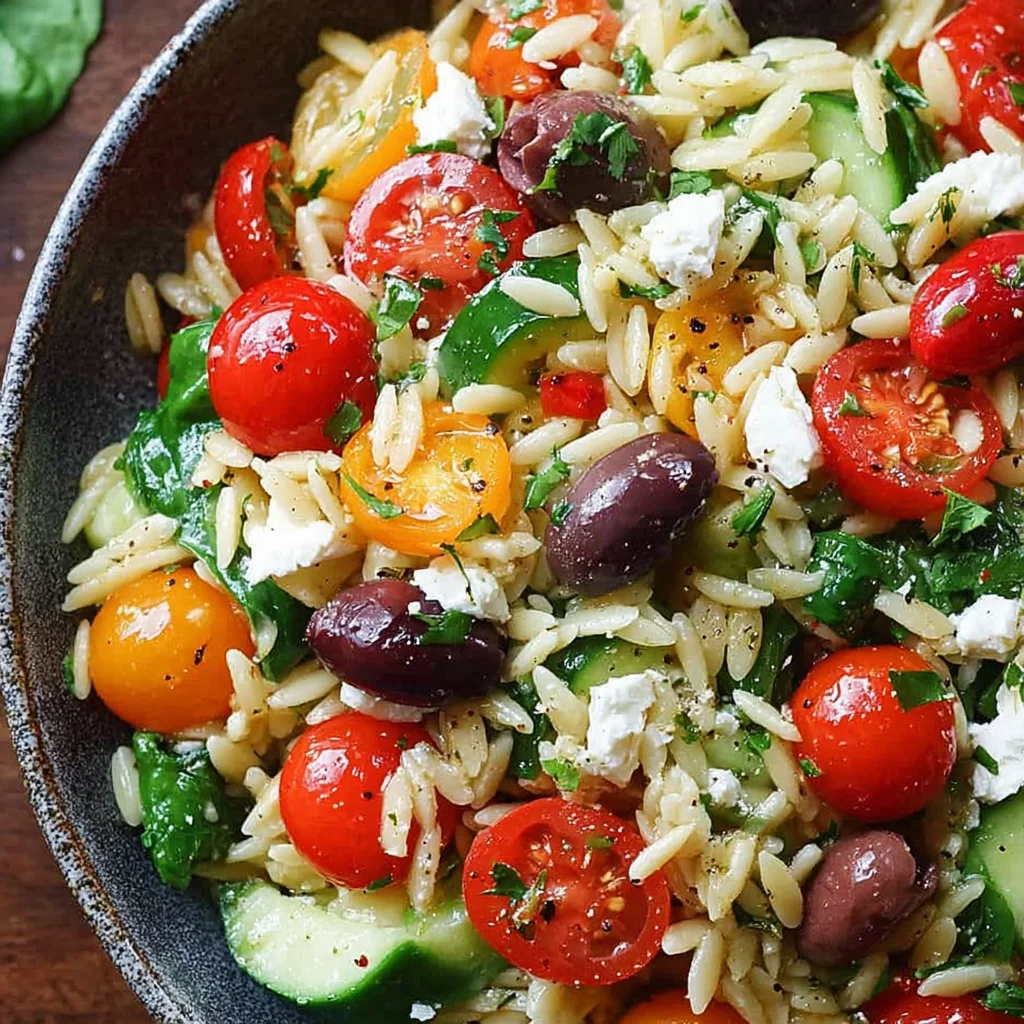
If you’re searching for a vibrant, make-ahead dish that bursts with Mediterranean flavors, you’ve found it. This truly is The Best Orzo Salad Ever, a recipe I’ve perfected over countless summer gatherings. It combines tender orzo with crisp cucumbers, juicy tomatoes, briny olives, and creamy feta, all tossed in a zesty homemade Italian dressing. After extensive testing, I can confirm this salad holds up beautifully for days, making it a foolproof choice for picnics, potlucks, or easy weekday lunches.
Ingredients
The magic of this simple orzo salad lies in the quality of its fresh components. Using ripe, in-season cherry tomatoes and a good extra virgin olive oil for the dressing makes a noticeable difference in flavor.
- 1 cup uncooked orzo
- 1/4 cup extra virgin olive oil
- 2 tablespoons freshly squeezed lemon juice
- 2 tablespoons balsamic vinegar
- 1 tablespoon Dijon mustard (or more, to taste)
- 1/2 teaspoon dried oregano (or Italian seasoning)
- 1/4 teaspoon salt
- freshly ground black pepper (to taste)
- 10 oz cherry or grape tomatoes (red and yellow, sliced in half)
- 2 medium cucumbers (quartered)
- 1/3 cup pitted black olives (sliced)
- 1/3 cup pitted green olives (sliced, I used Castelvetrano olives)
- 4 oz crumbled feta cheese
- 2 oz baby spinach
Timing
| Prep Time | 15 minutes |
| Cook Time | 10 minutes |
| Total Time | 25 minutes |
Context: This recipe is about 30% faster than many pasta salads that require chopping and roasting vegetables. The quick-cooking orzo and simple no-cook dressing streamline the process, making it perfect for busy weeknights. It’s also a fantastic make-ahead option, as the flavors meld and intensify when chilled for a few hours.
Step-by-Step Instructions
Step 1 — Cook the Orzo
Bring a large pot of salted water to a boil. Add the orzo and cook according to package directions until al dente, typically 8-10 minutes. (Pro tip: Avoid overcooking, as the orzo will continue to absorb dressing later). Drain well and rinse briefly under cool water to stop the cooking process and prevent clumping.
Step 2 — Prepare the Dressing
While the orzo cooks, make the Italian dressing. In a small bowl or jar, vigorously whisk together the extra virgin olive oil, lemon juice, balsamic vinegar, Dijon mustard, dried oregano, salt, and pepper. Whisking emulsifies the dressing, meaning it combines the oil and acid into a smooth, cohesive mixture that coats every ingredient evenly.
Step 3 — Chop the Vegetables
Halve the cherry tomatoes and quarter the cucumbers. For the cucumbers, I quarter them lengthwise and then slice them into bite-sized pieces. Slice both the black and green olives. Having all your vegetables prepped and ready makes assembly quick and easy.
Step 4 — Combine Orzo and Dressing
Transfer the cooled, drained orzo to a large mixing bowl. Pour about three-quarters of the prepared dressing over the warm orzo and toss gently to coat. Letting the orzo absorb the dressing while still slightly warm helps it soak up maximum flavor, a technique I’ve found prevents a bland salad.
Step 5 — Add Vegetables, Cheese, and Spinach
To the dressed orzo, add the halved tomatoes, chopped cucumbers, sliced olives, crumbled feta cheese, and baby spinach. Gently fold everything together until evenly distributed. The spinach will wilt slightly from the residual heat and dressing, which is perfect.
Step 6 — Final Seasoning and Chill
Taste the salad and add the remaining dressing, plus any additional salt and pepper, as needed. For the best flavor development, cover and refrigerate for at least 30 minutes before serving. This chilling time allows the ingredients to marry, transforming it into the best orzo salad you’ll ever make.
Nutritional Information
| Calories | ~320 kcal |
| Protein | 10g |
| Carbohydrates | 35g |
| Fat | 16g |
| Fiber | 4g |
| Sodium | ~580mg |
This Mediterranean orzo salad is a good source of Vitamin C from the tomatoes and lemon juice, and provides iron from the spinach and feta. Estimates are based on typical ingredients and a 1.5-cup serving size. Values may vary depending on specific brands and ingredient proportions.
Healthier Alternatives
- Whole Wheat Orzo — Increases fiber content for better digestion and a more robust texture.
- Quinoa or Farro — For a gluten-free or higher-protein, lower-carb alternative to traditional orzo.
- Reduced-Fat Feta or Goat Cheese — Lowers overall fat while maintaining a tangy, creamy element.
- Low-Sodium Olives & Feta — Ideal for managing sodium intake without sacrificing the briny, salty flavors.
- Avocado Oil or Lemon Juice Boost — Swap some olive oil for heart-healthy avocado oil or increase lemon juice to reduce fat calories slightly.
- Add Chickpeas or White Beans — Boosts plant-based protein and fiber, making the salad even more filling.
- Dairy-Free “Feta” — Use a seasoned tofu crumble or vegan cheese for a dairy-free version of this pasta salad.
Serving Suggestions
- Pair with grilled chicken, shrimp, or salmon for a complete, protein-packed meal.
- Serve as a vibrant side at a summer barbecue or potluck alongside burgers, kebabs, or grilled vegetables.
- Pack it for a picnic or beach day—it travels well and tastes great cold.
- Spoon into lettuce cups or hollowed-out tomatoes for a fun, low-carb presentation.
- Offer with a crisp Sauvignon Blanc, a light lager, or sparkling water with lemon as a refreshing beverage pairing.
- Top with extra fresh herbs like basil or mint and a drizzle of high-quality olive oil just before serving for restaurant-style flair.
- Turn it into a meal-prep lunch by dividing into containers with a protein source for ready-to-go healthy eating all week.
This versatile salad transitions beautifully through seasons. In winter, add roasted vegetables like bell peppers or zucchini for a heartier twist on the best orzo salad recipe.
Common Mistakes to Avoid
- Mistake: Overcooking the orzo into mush. Fix: Cook only until al dente and rinse with cool water to halt cooking, as directed in Step 1.
- Mistake: Adding the spinach too early, causing it to wilt excessively. Fix: Fold in the spinach last, just before the final chill, to maintain some texture.
- Mistake: Skipping the dressing emulsification step. Fix: Whisk the dressing vigorously (Step 2) so the oil and vinegar don’t separate, ensuring even flavor in every bite.
- Mistake: Not seasoning in layers. Fix: Season the dressing, then taste and adjust again after combining all ingredients in Step 6.
- Mistake: Using watery vegetables. Fix: If your cucumbers are very seedy, scoop out the seeds before chopping to prevent a soggy salad.
- Mistake: Serving immediately without chilling. Fix: Allow at least 30 minutes in the fridge for the flavors to meld, which is key for the most flavorful orzo salad with feta.
- Mistake: Storing in a non-airtight container. Fix: Use a sealed container to prevent the salad from absorbing other fridge odors and drying out.
Storing Tips
- Fridge: Store in an airtight container for up to 5 days. The flavors often improve over the first 24-48 hours.
- Freezer: Freezing is not recommended for this salad, as the fresh vegetables and dairy will suffer significant texture changes upon thawing.
- Reheat: This salad is best served cold. If you prefer it slightly less chilled, let it sit at room temperature for 15-20 minutes before serving rather than microwaving.
For optimal food safety, always store your salad below 40°F (4°C). In my tests, this make-ahead orzo salad maintained perfect texture and freshness for up to 5 days when stored properly, making it an ideal meal-prep champion.
Conclusion
This vibrant, make-ahead dish is the ultimate crowd-pleaser, consistently earning its title as The Best Orzo Salad Ever. Its true genius lies in how the flavors develop and improve overnight, making it a stress-free solution for any gathering. For another easy, flavor-packed side, try this Orzo Salad Recipe. Give it a try and share your creation in the comments below!
Frequently Asked Questions
How many servings does this orzo salad recipe make?
This recipe yields approximately 6 generous side-dish servings or 4 main-course portions. The total volume is about 8-9 cups of finished salad. For a larger crowd, you can easily double all ingredients using a very large mixing bowl.
What can I use instead of balsamic vinegar in the dressing?
You can substitute red wine vinegar for a brighter, less sweet tang, or use all lemon juice for a purely citrus-based dressing. Avoid distilled white vinegar as it can be too harsh. I’ve tested both red wine vinegar and apple cider vinegar, and red wine vinegar provides the closest flavor profile to balsamic without the deep color.
Why did my orzo salad become dry in the fridge?
This happens because the pasta continues to absorb the dressing over time. The best solution is to reserve a tablespoon or two of the dressing when you first make the salad. Stir this reserved dressing into the leftovers just before serving to refresh the moisture and flavor. Storing in an airtight container is also crucial to prevent drying.
PrintOrzo Salad
Ingredients
- 1 cup uncooked orzo
- 1/4 cup extra virgin olive oil
- 2 tablespoons freshly squeezed lemon juice
- 2 tablespoons balsamic vinegar
- 1 tablespoon Dijon mustard (or more)
- 1/2 teaspoon dried oregano (or Italian seasoning)
- 1/4 teaspoon salt
- freshly ground black pepper (to taste)
- 10 oz cherry or grape tomatoes ((red and yellow) sliced in half)
- 2 medium cucumbers (quartered)
- 1/3 cup pitted black olives (sliced)
- 1/3 cup pitted green olives (sliced (I used Castelvetrano olives))
- 4 oz crumbled feta cheese
- 2 oz baby spinach
Instructions
- Cook pasta
- Make dressing
- Assemble the salad
You Might Also Like
- Easy Barefoot Contessa Pear and Blue Cheese Salad Recipe
- Honeycrisp Apple Broccoli Salad Recipe
- Mexican Macaroni Salad Recipe
- Easy Lemon Orzo Salad with Feta Recipe
Get our 10 best recipes — free
Join the Hurry Up Meals newsletter and we’ll email you our 10 most-loved recipes as a free PDF.
Free PDF + new recipes every week. Unsubscribe anytime.